Automotive parts logistics has become more complex as global vehicle production continues to expand. A single component may move through multiple stages, from suppliers and warehouses to assembly lines, before it becomes part of a finished vehicle. During this process, transport equipment must handle heavy loads, frequent movement, and strict production requirements.
Traditional packaging solutions often struggle with repeated handling, moisture exposure, and changing warehouse systems. For modern automotive supply chains, plastic pallets have become an important part of material flow because they provide stable support, consistent dimensions, and long service life.
For companies looking for reliable plastic pallet solutions, Qingdao CNplast Co., Ltd. provides industrial plastic pallet products designed for different logistics environments. With manufacturing experience, customization capability, and a focus on reusable solutions, the company supports industries that require durable and efficient transport systems.
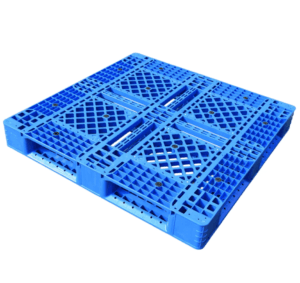
How Automotive Parts Logistics Has Changed in Modern Manufacturing?
Modern automotive production depends on a connected supply chain. Parts are no longer moved only inside one factory. They travel between suppliers, distribution centers, warehouses, and production areas.
This change creates higher requirements for transport equipment. A pallet used for automotive logistics needs to support repeated cycles while keeping parts safe and stable.
Supporting Global Automotive Supply Chains
Automotive components often include metal parts, electronic modules, engine components, and interior assemblies. These products have different shapes, weights, and handling requirements.
A suitable pallet system helps maintain smoother material flow. Plastic pallets provide a standardized platform that fits common warehouse operations and helps companies manage return transportation more effectively.
For automotive applications, Plastic Pallets from CNplast include different designs for heavy-duty storage, warehouse handling, and industrial transportation.
Meeting The Needs of Automated Production
Many automotive factories now use automated systems such as conveyors and AGV vehicles. These systems require pallets with stable sizes and reliable structures.
Plastic pallets are produced through molding processes, which helps maintain consistent dimensions.
What Challenges Do Automotive Parts Face During Transportation And Handling?
Automotive parts are valuable and often require careful handling. A damaged component can affect production schedules and increase operating costs. The right pallet design helps reduce these risks during daily logistics activities.
Protecting Heavy And Precision Components
Engine parts, metal assemblies, and other automotive components can create concentrated pressure during transportation. A weak transport base may deform after repeated use.
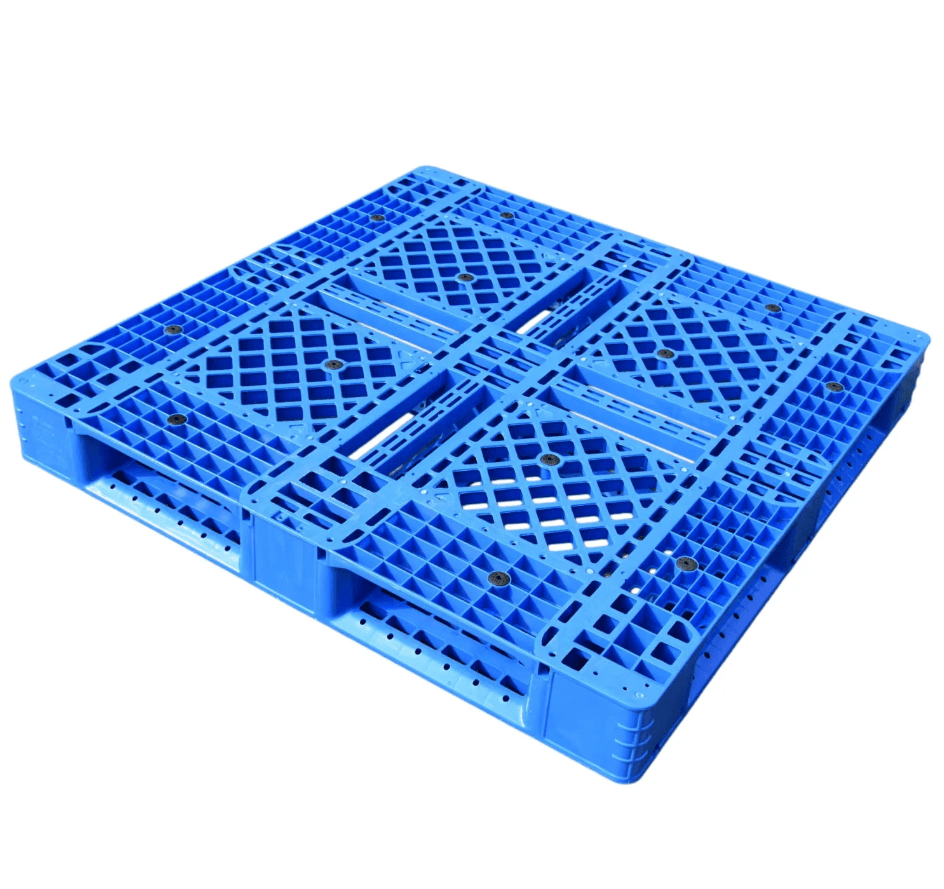
Heavy-duty plastic pallets use reinforced structures to provide stronger load support. Features such as reinforced ribs and stable deck designs help distribute weight more evenly.
For applications involving heavier automotive components, industrial-grade plastic pallets can provide a safer platform for storage and movement.
Reducing Space Pressure During Return Logistics
Automotive supply chains usually involve large numbers of empty pallets returning between locations. Storage space and transportation costs become important factors.
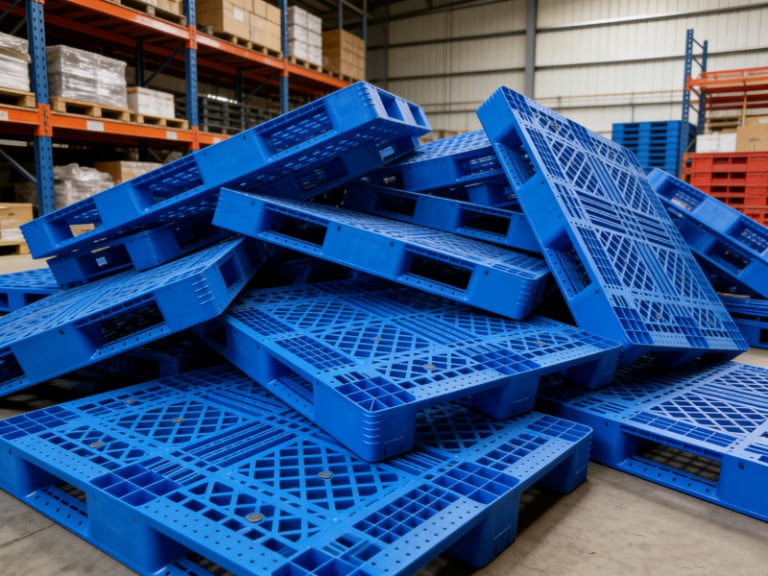
Nestable and stackable plastic pallets can help reduce empty storage volume. Their design allows companies to arrange unused pallets more efficiently, which is especially useful for suppliers handling frequent deliveries.
How Do Plastic Pallets Improve Automotive Parts Logistics Efficiency?
Plastic pallets play a role beyond simple transportation. They support a reusable logistics system where durability, cleanliness, and consistency directly affect daily operations.
Improving Handling Stability For Automotive Components
During production, parts need to arrive at the correct location at the right time. A stable pallet base helps reduce movement during transportation.
Heavy-duty plastic pallets are suitable for applications that involve repeated forklift handling and warehouse circulation. They can support demanding industrial environments while maintaining structural performance.
Supporting Warehouse And Racking Systems
Automotive warehouses often require efficient vertical storage. Rackable plastic pallets are designed for these environments because they provide stable support on warehouse racking systems.
CNplast provides different pallet solutions based on application needs. Its capabilities and manufacturing services help customers select suitable structures for different logistics conditions.
Building Reusable And Sustainable Logistics Systems
Many automotive companies are moving toward reusable packaging systems. Compared with disposable transport materials, reusable plastic pallets can support repeated circulation and reduce waste from frequent replacement.
Material selection also matters. Durable plastic pallets can remain in service for many cycles when used correctly, helping companies manage long-term logistics costs.
Through its sustainability solutions, CNplast focuses on reusable plastic products that support more sustainable industrial operations.
Why Does Material Selection Matter For Automotive Plastic Pallets?
Automotive environments can include oil, moisture, temperature changes, and frequent handling. The pallet material directly affects service life and performance.
HDPE and PP are commonly used materials for industrial plastic pallets because they provide good impact resistance, moisture resistance, and chemical stability.
Compared with traditional materials, plastic pallets are easier to clean and maintain. They do not absorb water or develop issues caused by humidity, which makes them suitable for factories, warehouses, and closed-loop logistics systems.
How Should You Choose Plastic Pallets For Automotive Logistics?
Choosing the right pallet requires more than checking the basic size. The working environment and transportation method should also be considered.
Check Load Requirements
Different automotive parts create different weight demands. Before selecting a pallet, you should review:
- Static load capacity
- Dynamic load capacity
- Rack load requirements
- Stacking conditions
Match The Pallet With Your Logistics Process
A warehouse using automated systems may need a different pallet design compared with a manual handling environment.
Consider:
- Forklift access
- Storage method
- Return transportation frequency
- Cleaning requirements
Consider Custom Requirements
Automotive suppliers often have unique transportation needs. Standard pallets may not always fit every component or production system.
Customization options such as dimensions, colors, logo printing, and special structures can help create a better match.
CNplast supports customized plastic pallet projects and provides solutions based on customer requirements.
Why Choose A Professional Plastic Pallet Manufacturer?
A reliable supplier does more than provide products. Manufacturing ability, quality control, and engineering support also affect long-term cooperation.
Qingdao CNplast Co., Ltd. focuses on plastic pallet production with experience in industrial applications. The company provides various pallet types and supports customization for different industries.
For automotive businesses, working with an experienced manufacturer can help reduce product selection risks and create a more suitable logistics solution.
Conclusion
Plastic pallets have become an important part of modern automotive parts logistics. They help companies move components safely, support automated operations, and create reusable transport systems.
From heavy automotive parts to warehouse storage and supplier circulation, the right pallet design can improve daily logistics performance.
If you are planning to upgrade your automotive logistics system, you can contact CNplast for a suitable plastic pallet solution based on your application needs. Visit contact CNplast to discuss your project requirements.
FAQ
Q1: Can plastic pallets be used for automotive parts with irregular shapes?
A: Yes. Plastic pallets can be combined with customized designs, containers, or fixing solutions to support different automotive components.
Q2: How long can industrial plastic pallets typically be used?
A: Service life depends on load conditions, handling frequency, and working environment. High-quality plastic pallets are designed for repeated industrial use.
Q3: Are plastic pallets suitable for international automotive shipments?
A: Yes. Plastic pallets are commonly used in global supply chains because they are durable, reusable, and easier to maintain during long-distance transportation.
Q4: What information should be provided when requesting customized plastic pallets?
A: You should provide pallet size requirements, load conditions, storage methods, application environment, and any special functions needed.
Q5: Why are plastic pallets becoming more common in automotive logistics?
A: They support modern logistics needs with stable dimensions, reusable performance, easy maintenance, and compatibility with many warehouse systems.