Plastic Pallets for AS/RS: What Automated Warehouses Really Need
Automated storage and retrieval systems (AS/RS) depend on accurate movement, stable loads, and consistent pallet dimensions. A small change in pallet height or bottom shape can cause a transfer problem, slow down a conveyor, or stop a storage cycle. The right plastic pallet must match the equipment, the load, and the working conditions. Load capacity alone is never enough to make the choice.
If you are planning a new automated warehouse or replacing wood pallets in an existing system, start with the actual equipment requirements. Qingdao CNplast Co., Ltd. offers a range of plastic pallets for warehouse and logistics use, with different structures and specifications for different handling needs.
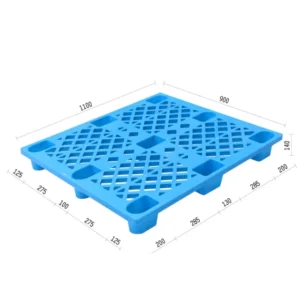
What Are AS/RS Plastic Pallets?
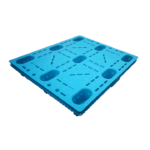
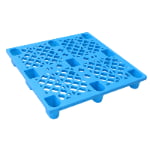
AS/RS plastic pallets are designed for automated storage and retrieval systems, where machines move, lift, store, and retrieve loaded pallets with limited manual handling. They need consistent dimensions, a stable base, and suitable load performance. A pallet that works well with a forklift may still cause trouble on a conveyor or in a high-bay rack.
What Makes an AS/RS Pallet Different from a Standard Plastic Pallet?
A standard plastic pallet may be suitable for manual forklift handling, but an AS/RS pallet must meet tighter system requirements. Its length, width, height, bottom runners, and contact surfaces must match the equipment. The pallet must also keep its shape under the expected load. Even small dimensional changes can affect transfer accuracy when pallets move at high speed or enter narrow storage locations.
How Plastic Pallets Work in Automated Warehouse Systems
In an automated warehouse, a loaded pallet may move from a conveyor to a shuttle, enter a storage rack, and return to a picking area without direct contact from an operator. Each transfer depends on the pallet base and its position. A stable deck keeps goods in place, while a suitable bottom structure helps the equipment lift and carry the load. Your pallet choice should reflect the full route, including every transfer point.
Key Requirements for AS/RS Plastic Pallets
Before choosing an AS/RS plastic pallet, check the equipment drawings, load data, and operating conditions. A pallet may meet the required static load but still perform poorly on a rack or conveyor. The following factors help you narrow down the right design and avoid costly changes after installation.
Dimensional Tolerance and Consistency
Automated systems rely on repeatable pallet dimensions. Length, width, height, diagonal measurements, and flatness can all affect positioning and transfer. You should confirm the permitted tolerance with the system integrator, as the required range depends on the equipment design. Consistency across production batches matters as well. A sample that fits the system does not guarantee that every pallet in a large order will perform the same way.
Load Capacity and Rack Deflection
Static load, dynamic load, and racking load describe different working conditions. Static load refers to a stationary pallet on a supporting surface. Dynamic load applies during lifting and movement. Racking load refers to a loaded pallet supported at defined points or along specific rack beams. For AS/RS use, the racking load and deflection often need close attention. The actual result depends on the support span, load distribution, pallet structure, and time under load. Check the test conditions before comparing figures from different suppliers.
Bottom Structure, Runner Design, and Fork Entry
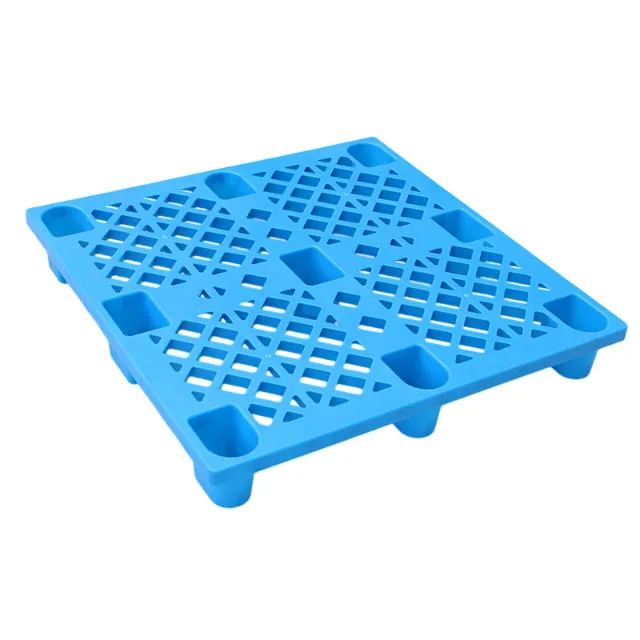
The underside of an AS/RS pallet affects how it moves across conveyors and enters storage equipment. Three-runner and full-perimeter designs can suit different systems, while reinforced runners may help support higher loads. You also need to check fork-entry openings, bottom clearance, and the position of structural ribs. A pallet with the right overall dimensions can still fail at a transfer point if its bottom design conflicts with the equipment.
Deck Surface and Sensor Compatibility
The top deck must support the load without creating unstable contact points. For cartons, totes, and packaged goods, the surface design should help keep the load steady during acceleration and braking. Sensors and positioning devices may also depend on clear access to specific pallet areas. If your system uses barcode labels, RFID tags, or optical detection, confirm the tag location and reading conditions before production.
Material Selection: HDPE vs. PP
HDPE and PP are both used in plastic pallet production, but their performance differs by grade, design, and working temperature. HDPE is often selected for impact resistance and use in cold environments, while PP can suit applications that need stiffness and dimensional stability. These are general material traits, not a guarantee of performance for every pallet. The final choice should be based on the resin grade, pallet geometry, load test results, and operating conditions. You can review CNplast’s plastic pallet range to compare available product structures before discussing a project.
Compatibility with Different Automated Handling Systems
An automated warehouse is rarely made up of one machine type. Pallets may pass across conveyors, shuttle systems, lifts, and robotic equipment during a single operating cycle. Each system places different demands on the pallet, so compatibility should be checked against the full material flow.
Automated Storage and Retrieval Systems (AS/RS)
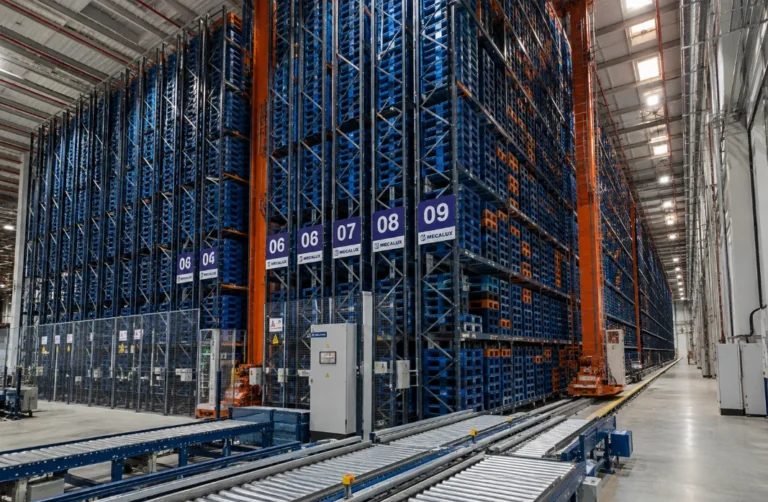
AS/RS equipment stores and retrieves loads in fixed rack locations. Pallets must fit the storage dimensions and maintain suitable clearance during movement. For high-bay systems, loaded deflection and base stability deserve special attention because the pallet may remain on rack supports for long periods. Confirm the permitted pallet dimensions, load distribution, and support conditions with the system supplier.
Roller and Chain Conveyors
Roller conveyors support the pallet at repeated contact points, while chain conveyors may carry it along defined runner areas. The bottom design must match these contact positions. If the runners are too narrow, poorly positioned, or unable to support the load, the pallet may tilt or move unevenly. Check the conveyor layout and transfer gaps, especially where the pallet changes direction or moves between different conveyor types.
Shuttle Systems and High-Bay Racking
Shuttle systems move pallets into and out of deep storage lanes, so the base must support the load and maintain a stable position during travel. High-bay racks also place demands on pallet stiffness and dimensional consistency. A pallet that performs well on a flat floor may bend too much across a rack span. Your supplier should assess the actual support layout and load before recommending a pallet structure.
AGVs, AMRs, and Robotic Handling
Automated guided vehicles (AGVs), autonomous mobile robots (AMRs), and robotic handling systems use different pickup and positioning methods. The pallet must provide suitable fork openings, lifting clearance, and a stable base for the intended handling method. If robots pick up pallets from more than one direction, confirm that the bottom design supports each entry point. For a new installation, testing the pallet with the actual robot or vehicle is a practical step.
How to Select the Right AS/RS Plastic Pallet?
Before comparing prices, collect the pallet dimensions, load weight, rack support details, transfer method, and working temperature. These details help you compare suitable models and avoid paying for features that your system does not need.
Confirm Pallet Dimensions and Equipment Interfaces
Ask the system integrator for the required pallet footprint, height range, dimensional tolerance, and bottom-clearance limits. Check the positions of rollers, chains, forks, stops, and sensors. If you are replacing an existing pallet, measure the current model and review its operating history. A familiar size does not always mean the new pallet will fit, especially if the underside or deck design changes.
Define the Actual Load and Rack Support Conditions
Use the real load weight and its distribution, including the heaviest expected product configuration. A pallet carrying evenly packed cartons may behave differently from one carrying a concentrated load in the center. You should also confirm the rack beam spacing and how long the loaded pallet will remain in storage. These conditions help determine whether a standard plastic pallet is suitable or whether a reinforced design needs testing.
Choose the Right Pallet Structure and Reinforcement
Pallet structure should follow the handling requirements. Three-runner designs may fit certain conveyor and rack layouts, while full-perimeter bases can suit systems that need support around the lower edge. Steel reinforcement may increase stiffness in selected designs, but it can also affect weight, cost, and end-of-life recycling. CNplast’s customization services can be a starting point when standard dimensions or structures do not match your equipment. Final specifications should still be confirmed against the project requirements.
Consider Operating Temperature and Handling Frequency
Temperature affects plastic stiffness and impact behavior. Cold storage, outdoor staging, and warm production areas may call for different material grades or pallet designs. Handling frequency matters, too. A pallet used for several automated cycles each day faces different wear conditions from one used for occasional storage. If the system operates continuously, include repeated handling and long-term load performance in the evaluation.
How to Test Plastic Pallets Before AS/RS Integration?
A sample inspection can identify obvious problems, but it cannot confirm every part of an automated handling cycle. Before committing to a large order, agree on a test plan with the pallet supplier and system integrator. The plan should use the real load, support conditions, and handling equipment wherever possible.
Dimensional and Flatness Inspection
Measure the pallet’s length, width, height, diagonal dimensions, and deck flatness against the approved drawing. Check several samples, especially when evaluating a new mould or production batch. Record the results and confirm the measurement method with the project team. This gives you a clear basis for batch acceptance and helps identify dimensional variation before pallets enter the warehouse.
Loaded Deflection and Rack Support Testing
Test the pallet under the intended load and support arrangement. Record the load distribution, support span, test duration, and measured deflection. The result should be compared with the rack and equipment limits specified for the project. A load rating without its test conditions offers limited value, so ask for the supporting test data when comparing models.
Conveyor Transfer and Fork Entry Testing
Run the loaded pallet across the actual conveyor or a representative test setup. Check entry and exit points, transfer gaps, fork clearance, positioning, and any contact with stops or guides. Watch for rocking, scraping, uneven movement, or interference with sensors. These checks can reveal problems that a static load test will miss.
Repeated-Cycle Testing in the Actual System
A pallet may work well during its first few movements but develop problems after repeated handling. Run a representative series of storage, retrieval, conveyor, and lifting cycles. Inspect the runners, deck, and contact areas for wear or damage, and check whether dimensions remain within the agreed limits. CNplast’s manufacturing capabilities may help you assess production resources for a project, while acceptance should be based on the agreed test results and specifications.
Common Problems with AS/RS Plastic Pallets
Most pallet-related automation issues can be traced to a mismatch between the pallet and the system, a load condition that was missed during selection, or variation during production. A clear specification and a practical test plan help reduce these risks before they affect warehouse operations.
Pallet Jams Caused by Dimensional Variation
A pallet that exceeds the permitted width or height may catch on guides or fail to enter a storage location smoothly. Variation between batches can create similar problems even when the first samples pass inspection. Keep an approved drawing and inspection limits for every order. If the system has narrow clearances, ask the integrator to confirm which dimensions need the closest control.
Excessive Deflection Under Rack Loads
Excessive bending can affect load stability and may interfere with automated storage or retrieval. Common causes include a long support span, uneven loading, or a pallet structure that lacks the required stiffness. Review the actual rack layout and load before changing the pallet. Increasing the nominal load rating alone may not solve the problem.
Fork Entry Problems Caused by Bottom Design
Forks, shuttles, and lifting devices need clear access to the intended pickup areas. Poorly placed runners, low clearance, or incompatible reinforcement can block entry or cause contact during lifting. Compare the pallet’s underside with the equipment drawing, and check all required entry directions. This is particularly important when the same pallet must work with several handling systems.
Warpage and Performance Changes During Repeated Use
Plastic pallets can change shape under heat, sustained loads, impact, or repeated handling. The level of change depends on the material, design, load, and operating environment. If a pallet starts to rock or sits unevenly on a conveyor, inspect its flatness and runner condition. A regular inspection plan can help identify damage before it causes a system interruption.
Choose the Right Plastic Pallet for Your Automated Warehouse
The right AS/RS plastic pallet is the one that fits your equipment, supports your actual load, and performs consistently during repeated cycles. A clear specification and sample testing can reduce the risk of costly changes after installation.
If you are planning a new automated warehouse or reviewing pallets for an existing system, contact CNplast with your pallet dimensions, load requirements, and equipment details.
FAQ
Q1: What Is the Difference Between AS/RS and Rackable Plastic Pallets?
A: Rackable plastic pallets are designed to support loads on warehouse rack beams. AS/RS plastic pallets must also meet the dimensional, positioning, and handling requirements of automated equipment. A rackable pallet may be suitable for AS/RS, but its compatibility needs to be checked against the system.
Q2: What Load Capacity Should an AS/RS Plastic Pallet Have?
A: The required capacity depends on the loaded weight, load distribution, lifting method, rack support span, and storage time. Confirm static, dynamic, and racking loads separately, then compare them with the actual operating conditions.
Q3: Are Steel-Reinforced Plastic Pallets Better for AS/RS?
A: Steel reinforcement can improve stiffness in certain designs, especially where rack support conditions create high bending loads. However, the added weight, cost, corrosion protection, and recycling needs should also be considered. A reinforced pallet is useful when test results support the need for it.
Q4: Can Existing Plastic Pallets Be Used in an Automated Warehouse?
A: They may be suitable if their dimensions, bottom structure, load performance, and condition meet the system requirements. Before reuse, check the approved equipment specifications and test representative pallets under actual handling conditions. A successful forklift test alone is insufficient.
Q5: What Information Is Needed to Specify a Custom AS/RS Pallet?
A: Prepare the required length, width, and height; loaded weight and load distribution; rack support details; conveyor and fork-entry requirements; operating temperature; and expected handling frequency. Equipment drawings and test criteria are also useful. These details help the supplier assess the required structure and provide a more accurate quotation.