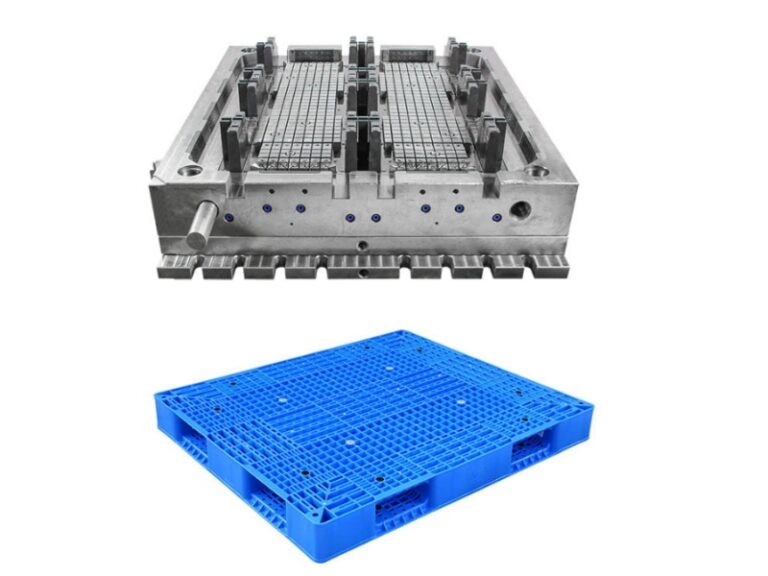
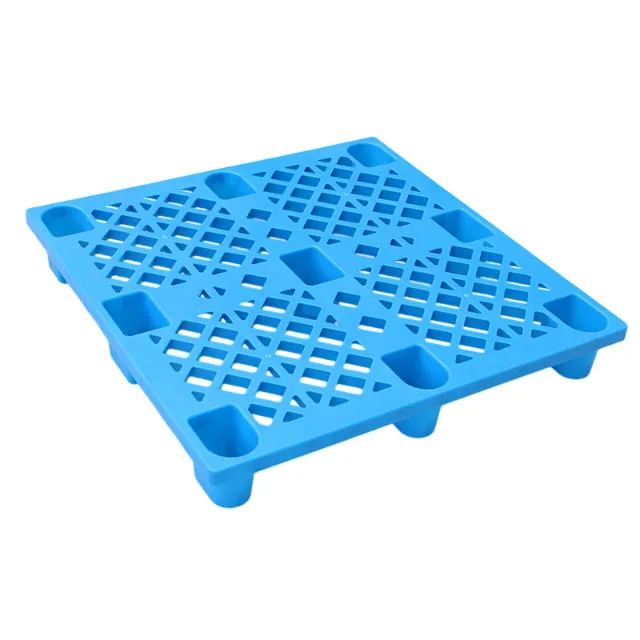
How Cold Temperatures Affect Plastic Pallet Performance
Cold storage can put extra stress on plastic pallets. At low temperatures, some plastics become more brittle and may crack when dropped, struck by a forklift, or loaded unevenly. For warehouses, food processors, and cold chain operators, the right pallet must handle the actual storage temperature, the load, and daily handling conditions. Material choice matters, but pallet design and operating practices also affect performance.
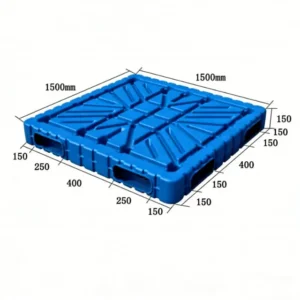
How Does Cold Weather Affect Plastic Pallets?
Cold temperatures can change how plastic pallets respond to impact and heavy loads. The level of change depends on the resin, pallet structure, temperature range, and length of exposure. If your pallets move between a warm loading area and a freezer, these changes deserve extra attention.
Reduced Impact Resistance and Increased Brittleness
As temperatures fall, many plastics lose some impact resistance and become more likely to crack under sudden force. A pallet that works well at room temperature may behave differently in a freezer, especially when a forklift hits its edge or a loaded pallet is dropped. High-density polyethylene (HDPE) grades designed for low-temperature use can offer better impact performance, but the result depends on the exact resin and pallet design.
Temperature Changes and Dimensional Stability
Plastic contracts as it cools and expands as it warms. These changes are usually manageable, but they matter in automated warehouses, narrow aisles, and pallet racking systems with tight clearances. If pallets move between different temperature zones, check their dimensions, fit, and condition under actual operating conditions. You can review the available plastic pallet designs to compare formats for your storage and handling needs.
Why Forklift Impacts Become More Risky in Cold Storage
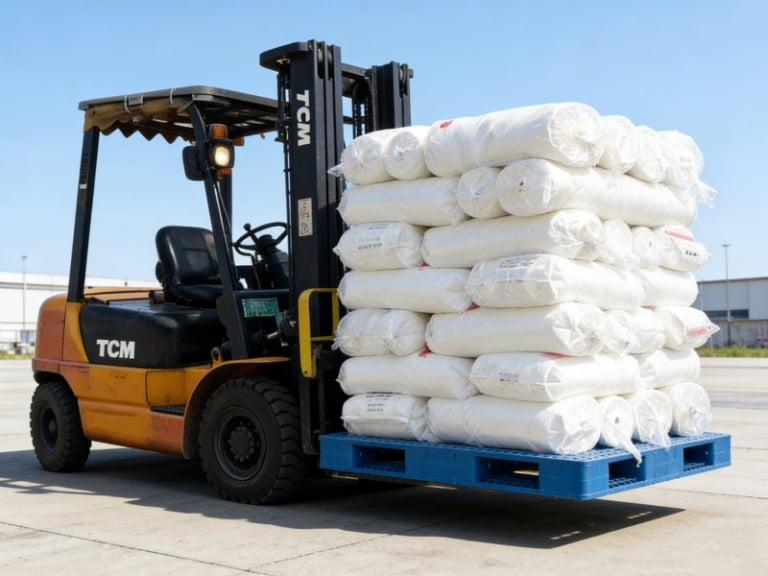
A forklift impact can damage a pallet at any temperature, but the risk may rise when the plastic has become less flexible in the cold. Forklift entry points, corners, and deck edges deserve particular attention. Operators should keep forks level, enter the pallet fully, and avoid sudden lifting or turning movements. For busy cold stores, a pallet with suitable impact resistance and reinforced load-bearing areas can help reduce damage during daily handling.
Which Plastic Material Is Best for Low-Temperature Pallets?
HDPE and polypropylene (PP) are both used in plastic pallets, but their low-temperature performance differs by grade and design. Recycled content, additives, wall thickness, and structural features also affect the result. You should assess the complete pallet specification, not just the material name.
HDPE vs. PP for Cold Storage Applications
HDPE is widely used for reusable plastic pallets because it offers good toughness, moisture resistance, and impact performance in suitable grades. PP provides good stiffness and strength for many industrial applications, but some PP grades can become more brittle at low temperatures. The exact result depends on the formulation and service conditions. If your operation runs at -20°C or -40°C, ask for the minimum rated operating temperature and relevant test data for the specific model.
Virgin Resin vs. Recycled Plastic in Low-Temperature Use
Virgin resin can provide more consistent material properties when the resin grade and production process are controlled. Recycled plastic can also work well, but its performance depends on the source, sorting, processing, and quality control. A high recycled content alone does not tell you how a pallet will perform in a freezer. For demanding cold storage, ask the supplier for material specifications, impact test results, and confirmation that the finished pallet is suitable for your working temperature.
Why the Actual Operating Temperature Matters
The temperature listed in a product specification should match the conditions the pallet will face. A freezer may run at -25°C, while the loading dock is much warmer. The pallet may also carry a heavy load during transfer between these zones. Check the lowest temperature, temperature changes, exposure time, and handling method before selecting a model. Qingdao CNplast Co., Ltd. supplies plastic handling products for industrial and logistics applications, so buyers can review its product range and request specifications for their intended operating conditions.
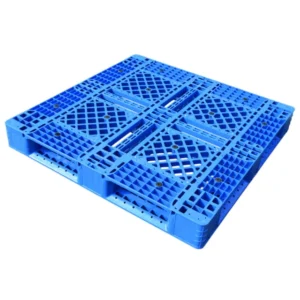
How to Choose Plastic Pallets for Cold Storage and Cold Chain Logistics
A suitable cold storage pallet must fit your temperature range, load, storage system, and cleaning routine. A pallet designed for floor stacking may be unsuitable for a high-bay rack, even if both models have similar dimensions. Start with the actual warehouse conditions and confirm each key requirement with the supplier.
Check the Minimum Operating Temperature
Ask for the lowest recommended service temperature for the exact pallet model. A general statement that a pallet is made from HDPE or PP is insufficient, as different grades can behave differently in the cold. If the pallet will be used at -20°C or below, ask whether the material and finished design have been tested under relevant conditions. You can also review the manufacturer’s technical downloads and request any available test records before placing a bulk order.
Match Pallet Load Capacity to the Storage System
Check static, dynamic, and racking load ratings separately. Static load refers to a stationary pallet, dynamic load applies during movement, and racking load applies when the pallet is supported on rack beams. These figures describe different conditions and should not be treated as interchangeable. Confirm the actual load, load distribution, support span, and temperature conditions with the supplier, especially if pallets carry dense products or operate in a freezer rack.
Select the Right Pallet Design for Forklifts and Racking
Pallet size, entry direction, deck structure, and bottom design all affect handling. Four-way entry can help where forklifts approach from different sides, while a suitable bottom structure is important for rack support and automated handling. If your warehouse uses an automated storage and retrieval system (AS/RS), confirm dimensional tolerances, pallet weight, and compatibility with conveyors and lifting equipment.
Consider Hygiene and Cleaning Requirements
Cold chain operations often handle food, ingredients, and products that need regular cleaning. Plastic pallets resist moisture and do not absorb water in the same way as wood, which can make cleaning easier. Still, the pallet design matters. Deep recesses and hard-to-reach corners can hold dirt or water. Check the intended cleaning method, chemical compatibility, and any food-contact requirements that apply to your operation.
How to Maintain Plastic Pallets in Winter
Good maintenance helps extend pallet service life and reduces unexpected damage during busy periods. Cold storage teams should pay particular attention to impact, load distribution, visible cracks, and the transition between temperature zones. A short inspection routine can help catch problems before a damaged pallet returns to service.
Avoid Dropping and Sudden Impact
Avoid dropping loaded pallets from forklifts or striking them against dock edges and rack frames. At low temperatures, sudden impact may cause damage that would be less likely in warmer conditions. Train operators to lower loads in a controlled way and keep forks level during entry and exit. If a pallet has suffered a hard impact, inspect it before using it again.
Distribute Loads Evenly and Follow Load Ratings
Place goods evenly across the deck and keep the center of gravity stable. A concentrated load can put too much stress on a small area, even when the total weight is within the stated rating. Follow the load limits for the actual support condition and avoid using a floor-stacking rating for a racking application. Heavy goods, uneven packages, and long storage periods all need careful planning.
Inspect Pallets for Cracks and Visible Damage
Check corners, deck boards, fork entry areas, and supporting feet for cracks, deformation, or missing sections. Damage may be harder to spot when the pallet is covered with frost or dirt, so clean it before inspection where needed. Remove damaged pallets from service until they have been assessed. A damaged pallet should not return to a rack or automated line just because it can still be moved by a forklift.
Store and Handle Pallets Properly Between Uses
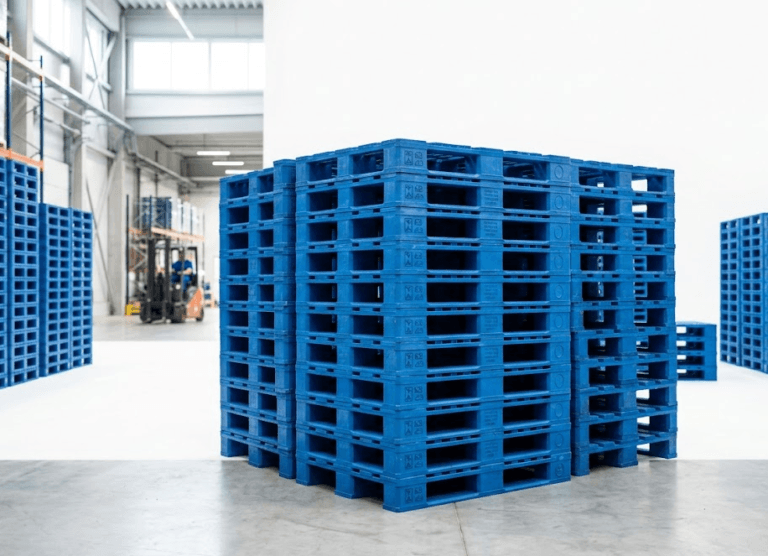
Keep empty pallets on a stable, level surface and stack them according to the manufacturer’s instructions. Avoid placing them near heat sources or exposing them to rapid temperature changes that are outside the product’s intended conditions. Before returning pallets to service, check that they remain stable and free of damage. For larger operations, a simple record of inspections and pallet replacements can help identify recurring handling problems.
Plastic Pallets vs. Wooden Pallets in Cold Chain Logistics
Both plastic and wooden pallets are used in cold chain logistics, but they have different maintenance and handling needs. Your choice should reflect the product, hygiene rules, storage system, frequency of reuse, and total cost over time. Plastic can be a good fit for repeated use in controlled environments, provided the model is rated for the required temperature and load.
Moisture Resistance and Cleaning
Plastic pallets do not absorb moisture like wood, and their surfaces can be easier to wash. This is useful in chilled food storage, where water and regular cleaning are part of daily operations. However, cleaning performance depends on the pallet’s shape and surface condition, and food-contact suitability must be confirmed where required. Wooden pallets may absorb moisture and can be harder to clean consistently after repeated use.
Dimensional Consistency and Handling
Molded plastic pallets can offer consistent dimensions, which helps when pallets move through conveyors, automated systems, or narrow rack spaces. Wood can change in condition as it absorbs moisture, dries, or suffers damage during handling. Plastic pallets can also deform or crack if overloaded or used outside their rated conditions. For automated warehouses, verify dimensional tolerances and handling compatibility before choosing either material.
Initial Cost, Reuse and Replacement Considerations
Plastic pallets often have a higher purchase price than basic wooden pallets, but the total cost depends on how often each pallet is reused, how much damage occurs, and what cleaning or replacement costs apply. In a closed-loop operation with regular returns, a reusable plastic pallet may be worth the initial investment. For one-way shipments, the calculation may be different. Review expected trips, loss rates, repair or disposal costs, and the demands of cold storage before making a decision. You can review CNplast’s sustainability information when assessing reusable handling options for your supply chain.
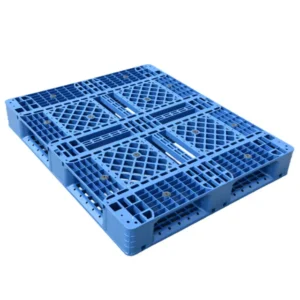
What Should Buyers Ask a Plastic Pallet Manufacturer?
Before ordering plastic pallets for cold storage, confirm the technical details that affect safety and service life. Clear questions help you compare suppliers and reduce the risk of choosing a model that works at room temperature but fails in a freezer. Provide the actual operating conditions when requesting a quotation.
Low-Temperature Test Data and Material Specifications
Ask which resin is used, what minimum operating temperature applies, and whether impact performance has been tested at that temperature. Find out whether the stated range applies to short-term exposure or continuous use. If your pallets move between ambient and freezer zones, mention this when requesting technical data. You can also review the manufacturer’s customization options if your application needs a specific size, color, or structural design.
Static, Dynamic and Racking Load Ratings
Request all three load ratings and ask how each was measured. Tell the supplier whether the pallet will carry cartons, drums, food ingredients, or other goods, and whether it will be stored on the floor, stacked, or placed on rack beams. Load distribution and support conditions can change actual performance. For a cold storage application, ask whether the ratings apply to the intended operating temperature.
Samples, Bulk Orders and Custom Requirements
A sample gives you a chance to check pallet dimensions, forklift entry, surface finish, and fit with your equipment before placing a bulk order. For cold storage projects, testing the pallet under actual working conditions can also help you spot potential issues with handling and load support. If standard models do not fit your needs, Qingdao CNplast Co., Ltd. offers custom plastic pallet solutions for different warehouse and logistics requirements. Sharing your pallet size, load, and operating temperature early can help narrow down the suitable options.
FAQ
Q1: Can Plastic Pallets Be Used at -20°C or -40°C?
A: Yes, certain plastic pallets are designed for these temperatures, but suitability depends on the resin grade, pallet structure, load, and handling conditions. Check the rated operating temperature and relevant test data for the exact model before use.
Q2: Are HDPE Pallets Better Than PP Pallets in Freezers?
A: HDPE is often a strong option because suitable grades can retain good toughness at low temperatures.
Q3: Can Cold Temperatures Cause Plastic Pallets to Crack?
A: Yes. Low temperatures can reduce impact resistance in certain plastics, which may increase the risk of cracking during drops, forklift impacts, or uneven loading. Correct material selection and careful handling help reduce this risk.
Q4: Should Plastic Pallets Be Warmed Before Handling?
A: Usually, pallets can be used at their rated operating temperature without being warmed first. Follow the supplier’s instructions and avoid sudden temperature changes outside the product’s intended conditions. Inspect pallets after a significant impact or a change in operating conditions.
Q5: How Can Buyers Verify a Pallet’s Low-Temperature Performance?
A: Ask for material specifications, the minimum operating temperature, relevant test data, and load ratings for the intended use. A sample trial can also help confirm fit and handling performance. If you are selecting pallets for a freezer or cold chain warehouse, contact Qingdao CNplast Co., Ltd. with your temperature range, load requirements, pallet dimensions, and storage method to discuss a suitable model and request a quotation.