The Definitive Guide to Food-Grade HDPE: Safety, Standards, and Industrial Applications
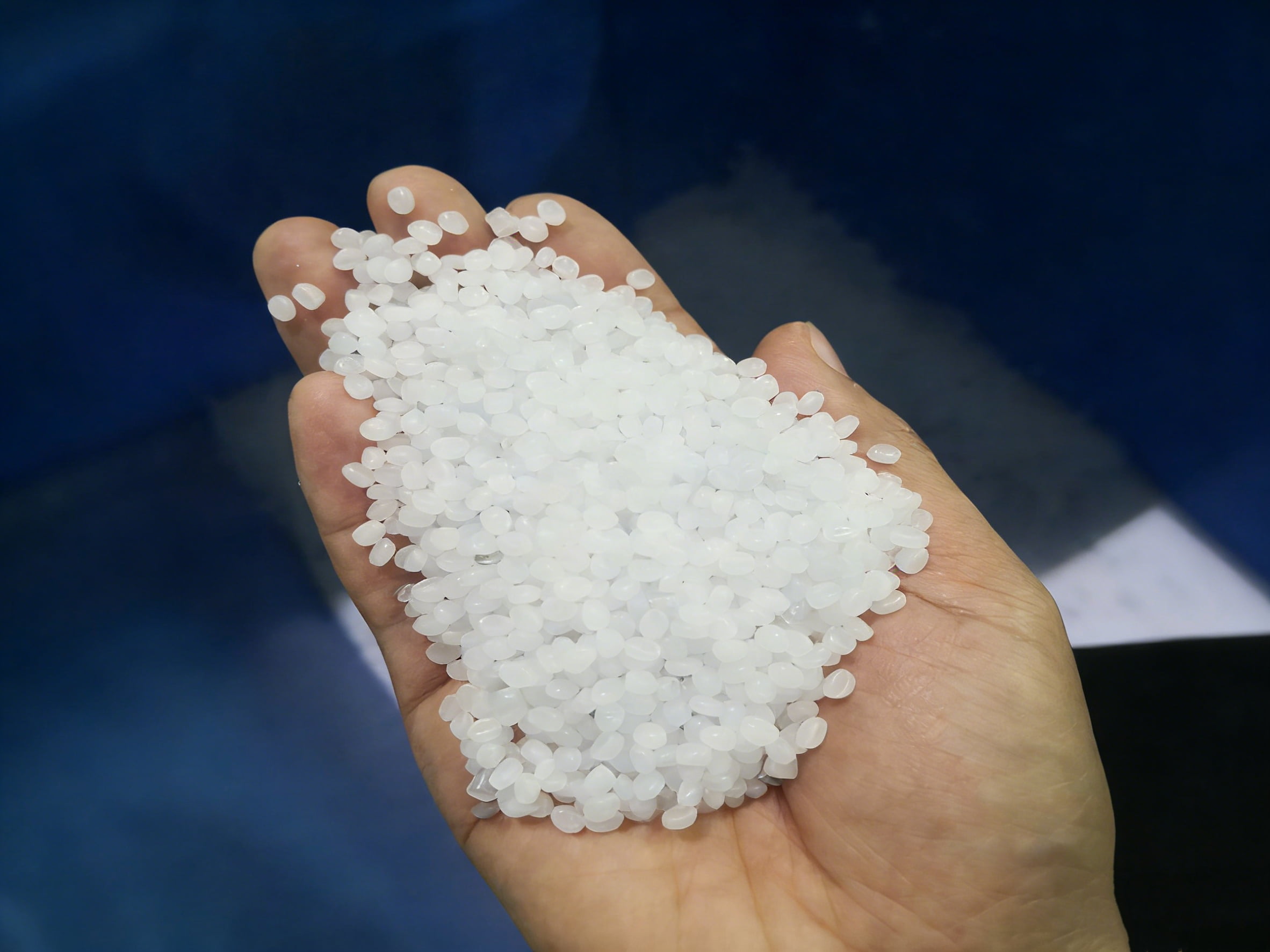
Can your food packaging withstand -40°C cold storage without leaching chemicals? High-Density Polyethylene (HDPE) has become the gold standard for this exact reason.HDPE (High-Density Polyethylene) is a specialized thermoplastic synthesized from ethylene monomers. Its tightly compacted molecular structure with minimal branching provides exceptional chemical stability and a superior moisture barrier. These inherent traits make it the gold standard for both consumer packaging and industrial food logistics.
What is HDPE Plastic?
HDPE, short for High-Density Polyethylene, is a specialized thermoplastic polymer synthesized from ethylene monomers. Its exceptional durability and impressive mechanical strength have expanded its use across dozens of industries, yet food packaging remains its most mature, most tested application scenario.
Is HDPE Plastic Food Safe?
HDPE is biologically inert, meaning it does not react with acidic, oily, or aqueous food contents. This prevents any alteration to taste or texture. When produced from virgin resin, it is naturally non-leaching and fully compliant with FDA 21 CFR 177.1520 standards.
FDA and EU Regulations for Food-Grade HDPE
Strict regulatory oversight of food packaging materials is enforced by the U.S. Food and Drug Administration (FDA). Virgin HDPE materials pass rigorous systematic purity and safety tests before gaining full approval for direct food contact applications. Recycled HDPE batches, by contrast, are reviewed on a case-by-case basis by FDA inspectors. Potential residual contaminants are eliminated thoroughly during this inspection process. Harmful substance migration into food products is effectively blocked, and public food safety is well protected as a result.
European markets follow a different but equally strict rule set: Regulation (EU) No 10/2011 controls all plastic materials intended for food contact use. Stringent substance migration limits are set for HDPE to prevent cross chemical transfer between plastic packaging and edible goods. Both U.S. and EU regulatory frameworks establish extremely high thresholds for food-grade HDPE qualification.
When sourcing HDPE products that require strict adherence to these safety standards, Qingdao CNplast Co., Ltd. stands as a professional and reliable partner in the industry. Leveraging high-quality materials and advanced manufacturing processes, they provide a wide range of plastic solutions designed to meet rigorous safety and durability requirements.
Whether you are looking for plastic pallets for food storage and logistics or specialized custom plastic solutions, Qingdao CNplast ensures that their products align with industrial safety expectations. For more information on their product specifications, technical support, or to discuss your specific packaging and handling needs, you can explore their FAQ section, browse their latest blog insights, or contact their team directly for professional guidance.
How to Identify Food-Grade HDPE
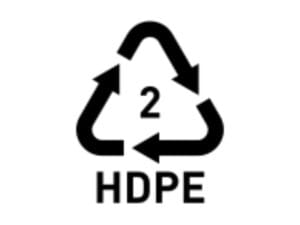
Fast selection of qualified HDPE containers relies heavily on checking the #2 marking. The symbol alone, however, can never fully confirm formal food-grade qualification. Additional verification is always recommended for high-risk usage scenarios. Long-term food preservation and commercial batch packaging both fall into this high-risk category. Valid verification materials include FDA compliance certificates, EU food contact qualification documents, and official supplier test reports.
Enterprises that purchase HDPE in bulk for production and logistics operations should always request official documentation. A formal Declaration of Conformity (DoC) or professional material certification is essential. This verification step grows even more critical when recycled HDPE content is involved in production. Complete qualification checks help businesses avoid major compliance risks. Real-world food contact safety for packaging products is fully guaranteed through this process. Strict material inspection has long been a core procedure in standardized food production workflows.At Qingdao CNplast Co., Ltd., we ensure that every HDPE food contact pallet we produce is embossed with the #2 recycling mark and traceable to its raw material batch.
Key Benefits of HDPE
HDPE dominates modern food packaging markets for one simple reason: it delivers a perfect balance of safety, durability, and operational stability. No other common plastic combines these three core strengths so well. Its versatile advantages support widespread use across household daily storage and large-scale industrial food packaging logistics alike.
Mechanical Durability & Efficiency
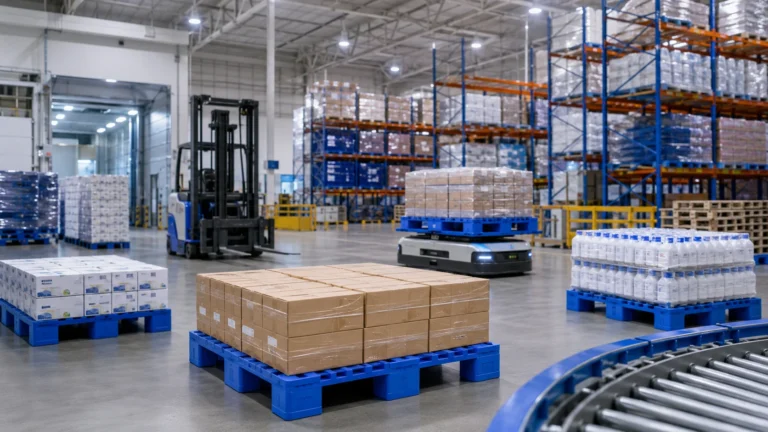
HDPE boasts a great strength-to-density ratio. It can stand strong impacts and physical hits, yet the material itself stays light in weight. It keeps its shape and structure well even in busy industrial environments. This tough build lets businesses stack large quantities of packaged goods and handle frequent logistics operations without trouble. It greatly cuts down broken or damaged packaging cases during transit and storage.
This sturdy material does not require complicated production processes. It comes with relatively low manufacturing costs for mass production. For factories and food enterprises that run large-scale packaging and logistics work all year round, HDPE turns out to be a super practical and budget-friendly material choice in daily industrial use.
Chemical Stability & Purity
HDPE features stable biological properties. It will not produce any chemical reactions when touching acidic food, greasy ingredients, or high-salt food products. This basic chemical trait stops unwanted substance transfer completely. No harmful chemicals will seep out of the plastic material.
Even if food items are stored inside HDPE containers for weeks or months, the material stays inactive and clean. It keeps the original taste, texture and safety of all kinds of food contents. This reliable stability makes it fit for long-term food storage scenarios in both household and commercial settings.
Hygienic Barrier Properties
HDPE has a tight and non-porous surface structure. It cannot soak up strange smells, external moisture, or leftover food particles. This natural feature makes it hard for mold spots and bacteria to grow on the material surface. It always maintains a clean and hygienic state after simple cleaning.
Its excellent moisture-proof effect works really well for dry food storage. Common daily staples such as cereal grains, flour, and powdered food easily go bad with damp air. HDPE packaging blocks outside water vapor effectively. It noticeably prolongs the shelf life of these dry food goods in normal storage conditions.
Wide temperature adaptability for storage and logistics
Stable physical properties are maintained by HDPE in conventional cold-chain transportation, refrigerated storage, and normal-temperature warehouse environments. It fits almost all routine food logistics scenarios perfectly. High-temperature exposure is its only notable weakness. Non-microwave-safe HDPE products will warp and structurally degrade under extreme heat. Potential safety hazards are brought by such improper use. For this reason, abnormal high-temperature application is strictly prohibited in all official usage guidelines.
Recyclable and widely accepted
The #2 recycling code marks HDPE as one of the most universally recyclable plastics across the globe. Almost all municipal and industrial recycling systems accept HDPE materials. Collected HDPE waste is purified and remolded into brand-new plastic products. Industrial plastic waste and overall carbon footprints are reduced through this process. HDPE’s recyclable traits align perfectly with modern sustainable development goals and circular economy operational standards.
Conditions for Safe Use of HDPE in Food Packaging
Safe, reliable food contact performance from HDPE is only achievable under standard usage conditions. Ordinary HDPE containers must never be placed in continuous high-temperature environments or microwave heating devices. Extreme heat destroys the plastic’s internal structural stability rapidly. Visible deformation and potential chemical leaching into food will occur as consequences. Keeping HDPE products away from high-temperature heat sources is a basic, non-negotiable safety guideline for all users.
Thorough cleaning before every reuse is another mandatory operational rule. Uncleaned containers always retain tiny food stains and residues. Bacteria breed rapidly on these residual particles and cause secondary food contamination. Standard cleaning procedures remove all residue risks effectively. Long-term hygienic use of HDPE packaging is therefore guaranteed, which matters greatly for both household daily use and commercial food safety management.
HDPE vs Other Plastics: What’s Best for Food Packaging?
Every common food-grade plastic has unique strengths and unavoidable limitations. No single material fits all packaging scenarios. Targeted comparative analysis helps users select the most suitable plastic for specific production and storage needs. Both safety performance and economic efficiency can be optimized through reasonable material matching.
- HDPE vs. PET:HDPE offers better chemical resistance and structural durability for heavy-duty reuse.
- HDPE vs. PP:While PP handles higher heat, HDPE excels in impact resistance and low-temperature stability.
- HDPE vs. LDPE:HDPE provides the rigidity and moisture isolation required for solid storage, whereas LDPE is prioritized for flexibility.
| Feature | HDPE | PET | PP |
| Safety Standard | FDA/EU Certified | FDA/EU Certified | FDA/EU Certified |
| Cold Resistance | Excellent (-40°C) | Poor (Brittle) | Moderate |
| Durability | High Impact | Low | Medium |
| Best Use Case | Food Pallets & Crates | Beverage Bottles | Microwave Trays |
For businesses prioritizing HDPE safety and HDPE standards for heavy-duty logistics, Qingdao CNplast offers specialized solutions.
Practical Applications of HDPE Pallets in Food and Pharmaceutical Industry
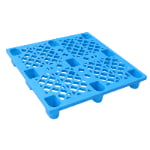
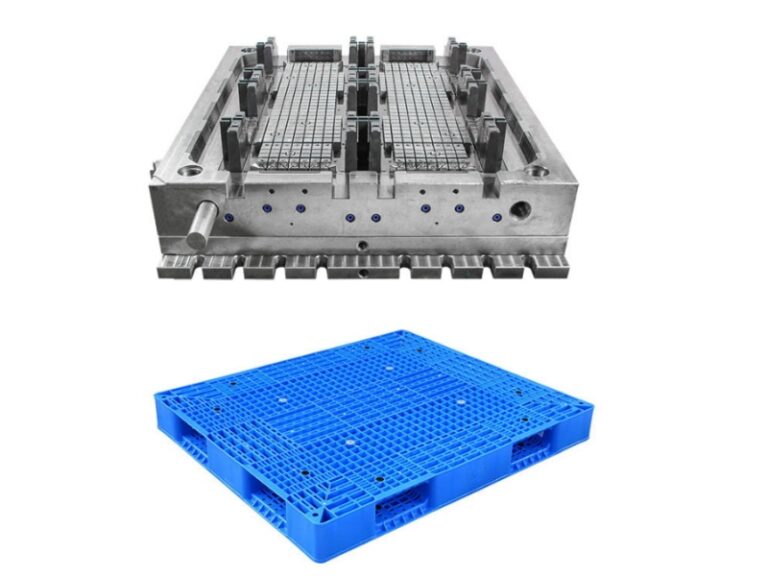
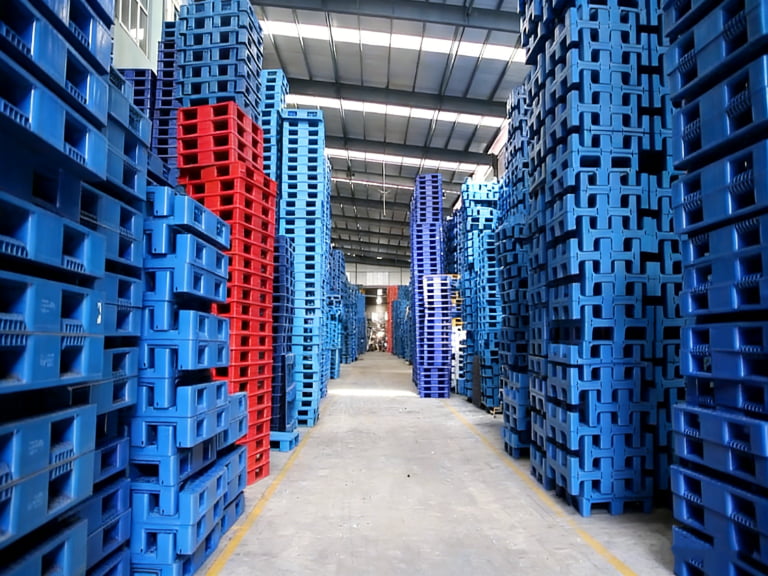
For industrial logistics, HDPE’s benefits translate into high-performance pallets.
Conclusion: Trust HDPE for Safe and Sustainable Food Packaging
High-quality, FDA-approved HDPE plastic pallets specialized for food and pharmaceutical industries are supplied by CNplast. These products feature exceptional chemical resistance, solid structural durability, and reliable moisture protection. All strict industrial logistics and storage safety standards are fully satisfied.
Global safety specifications are strictly complied with by CNplast’s food-grade HDPE pallets. Recyclable design supports sustainable industrial development effectively. Enterprises can standardize internal food safety management and reduce overall supply chain environmental costs by adopting these pallets.
As an experienced professional plastic pallet manufacturer, CNplast maintains strict quality control over product safety, performance, and sustainability. Customized HDPE logistics solutions protect product integrity perfectly during transportation and storage. Client enterprises are able to stabilize product quality and promote green industrial development steadily with these reliable products.
FAQ
Q: Can I safely use HDPE containers to freeze my food for a long time?
A: Absolutely, you can. HDPE is basically a champion of the cold because its molecular structure stays flexible and stable even when things get down to -40°C. While other plastics might get brittle and crack—which is a total mess—HDPE keeps your food safe and sealed in deep-freeze conditions without any risk of chemical leaching, honestly, it’s the best choice for the freezer.
Q: Why are HDPE pallets considered more “hygienic” than traditional wooden ones for food transit?
A: It’s simple, really: wood is like a giant sponge. It has all these tiny pores that soak up moisture, bacteria, and weird smells. HDPE, however, is “biologically inert” and non-porous. Nothing gets inside. At Qingdao CNplast Co., Ltd., our pallets are built to handle steam-cleaning or harsh sanitizers over and over again, keeping your food or pharma products in a zero-contamination zone that wood just can’t match.