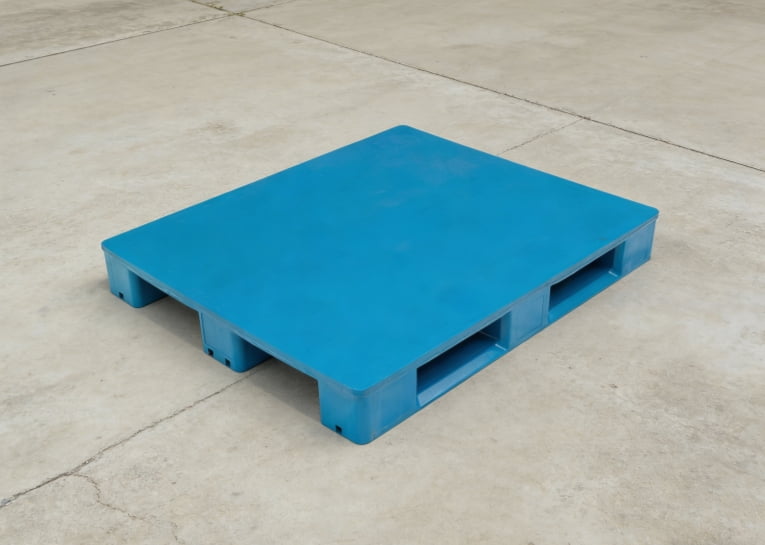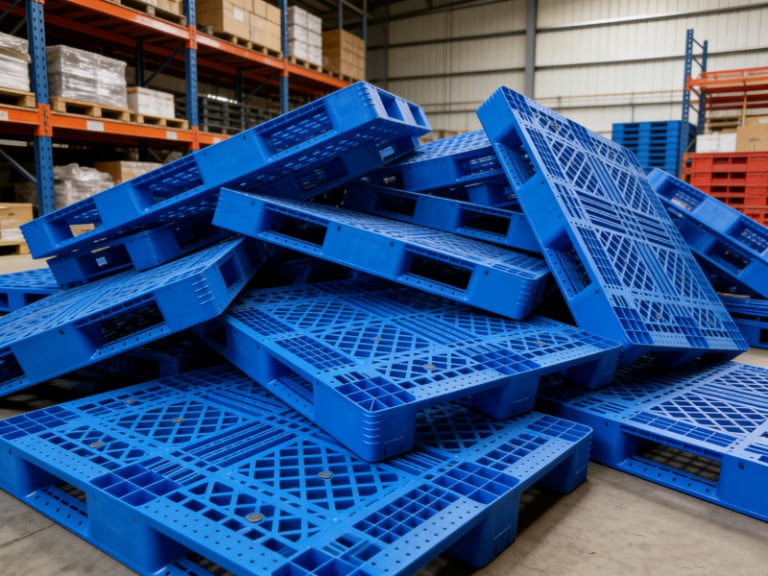
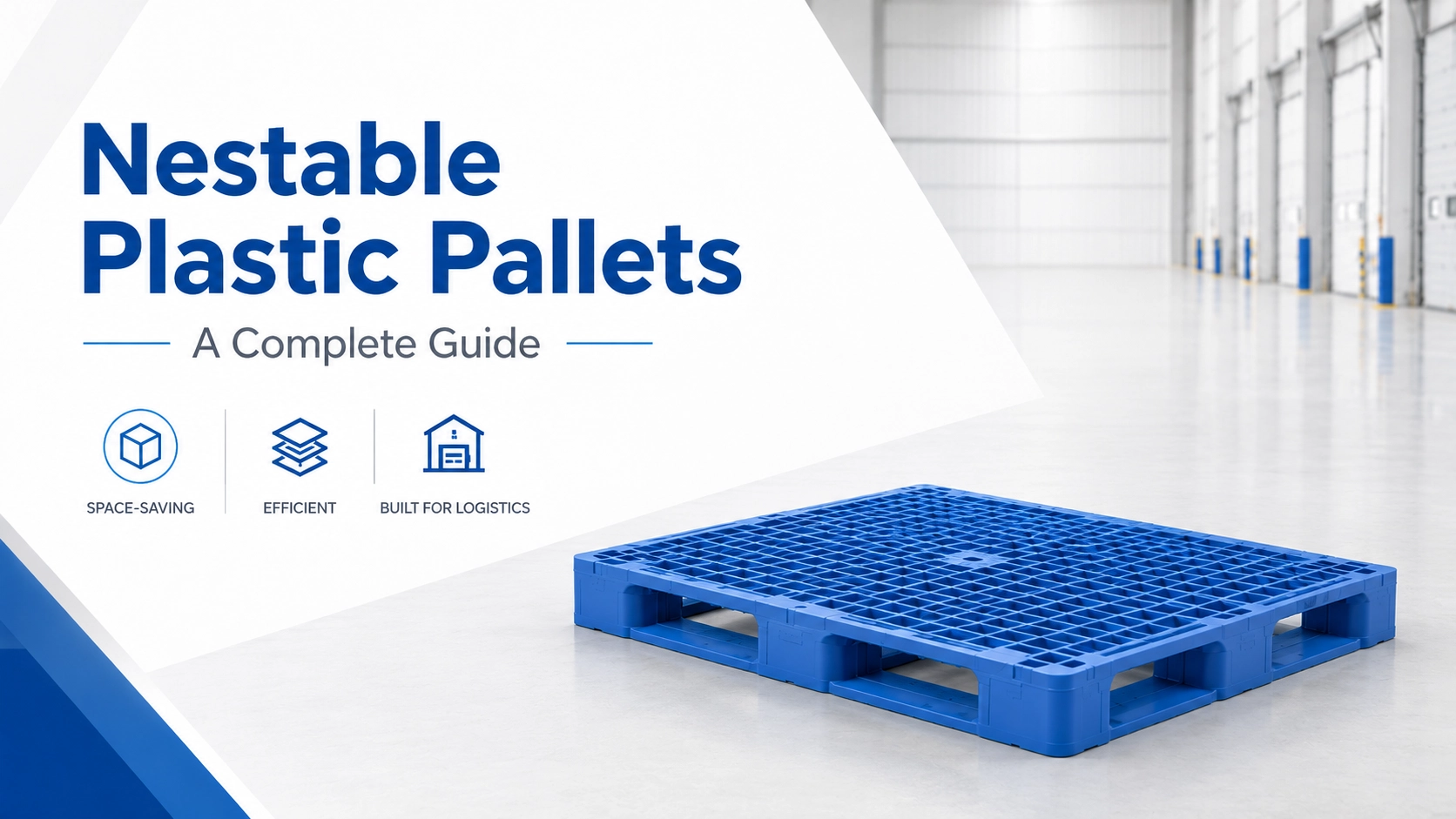
In modern warehousing and distribution, storing and transporting empty pallets often presents a significant challenge, as large quantities consume valuable space and increase handling costs. Nestable plastic pallets effectively address this issue with their innovative nesting design, allowing empty pallets to stack compactly within each other to minimize storage volume. When loaded, they maintain strong structural stability for safe goods handling and transportation, making them an ideal solution for businesses requiring frequent pallet circulation and efficient space management. The global plastic pallets market, which includes nestable designs, was valued at approximately USD 8.5 billion in 2025 and is projected to reach USD 12.9 billion by 2033, growing at a CAGR of 5.3%.
For companies looking for reliable plastic pallet solutions, Qingdao CNplast Co., Ltd. provides a wide range of industrial pallet products, including nestable designs, custom solutions, and sustainable plastic handling products. Its experience in plastic pallet manufacturing helps customers select suitable pallet structures for different warehouse and logistics environments.
What Are Nestable Plastic Pallets and How Do They Work?
Nestable Plastic Pallets are plastic pallets with specially designed legs that allow empty pallets to be placed inside each other. Compared with traditional pallet designs that require vertical stacking, the nesting structure reduces the height occupied by multiple empty pallets.
How Does the Nesting Design Reduce Storage Space?
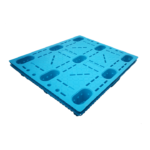
The main feature of Plastic Nestable Pallets is the nesting design of the pallet legs. The legs are shaped to match the space between the upper and lower pallet structures, allowing one pallet to partially enter another.
A stack of empty nestable pallets usually takes much less height than a stack of standard pallets. This helps warehouses store more pallets in the same area and reduces the space required for return transportation.
Because of this structure, nestable pallets are often considered Space Saving Plastic Pallets for supply chains that require repeated pallet movement.
What Are the Main Structural Features of Nestable Plastic Pallets?
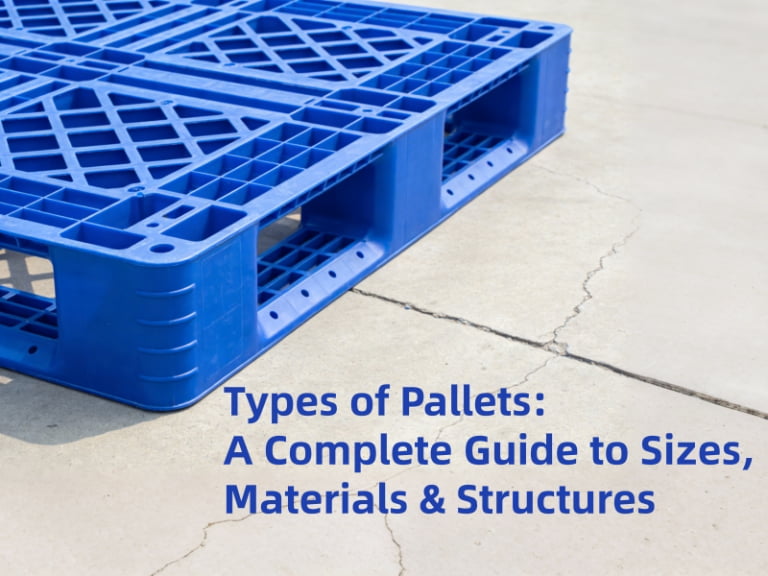
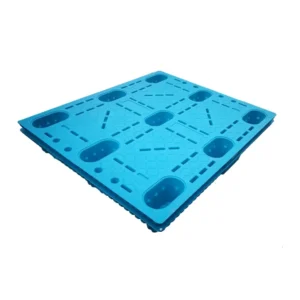
A nestable pallet is more than a simple plastic platform. Its performance depends on several structural parts, including the deck surface, support legs, reinforcement ribs, and forklift entry design.
The deck design affects how goods are supported. Open deck structures provide better ventilation, while closed deck designs offer a smoother surface for smaller products.
The support legs carry the main load during handling. High-quality plastic materials, such as HDPE or PP, help the pallet maintain impact resistance and durability during repeated use.
What Benefits Do Nestable Plastic Pallets Bring to Warehouse Operations?
For many businesses, pallet selection is closely related to daily warehouse efficiency. A pallet needs to handle repeated movement, protect goods, and fit existing storage systems. Nestable designs bring several practical advantages, especially for operations where empty pallet management is a regular task.
How Do Space Saving Plastic Pallets Improve Storage Efficiency?
Space Saving Plastic Pallets help reduce the area needed for empty pallet storage. This is valuable for warehouses with limited floor space or companies that operate multiple distribution locations.
Unlike single-use packaging, Reusable Plastic Pallets can return to circulation many times. Their long service life helps reduce replacement frequency and supports more stable supply chain operations.
Qingdao CNplast Co., Ltd. focuses on durable plastic handling products and sustainable manufacturing practices. Through its sustainability solutions, the company provides plastic pallet options designed for long-term use and reduced material waste.
Where Are Nestable Plastic Pallets Commonly Used?
Nestable pallets are used across different industries because their structure fits many circulation-based logistics systems. Their applications depend on load requirements, hygiene standards, and handling conditions.
Warehousing and Distribution
Warehouse Plastic Pallets are commonly used in distribution centers, retail supply chains, and manufacturing facilities. These environments often require pallets to move between storage areas, production lines, and transportation points.
Nestable designs are suitable because empty pallets can be stored compactly when they are waiting for the next shipment. This helps improve warehouse organization, especially in facilities with frequent pallet turnover.
Food and Cold Chain Applications
Food and beverage industries often require clean, durable pallet solutions. Food Grade Plastic Pallets provide advantages such as easy cleaning, moisture resistance, and resistance to common warehouse conditions.
For temperature-controlled supply chains, Cold Chain Plastic Pallets are used because plastic materials do not absorb water like wood and can perform well in humid or chilled environments.
From fresh food distribution to pharmaceutical logistics, the right pallet structure helps maintain cleaner handling conditions throughout the supply process.
How to Choose the Right Nestable Plastic Pallets for Different Applications?
Choosing a suitable nestable pallet requires attention to size, load capacity, deck style, and handling equipment.
Which Pallet Size and Design Should You Select?
Dimensions are one of the first factors to consider. Common pallet sizes vary depending on regional logistics systems and warehouse requirements.
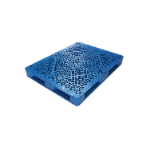
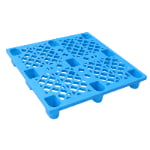
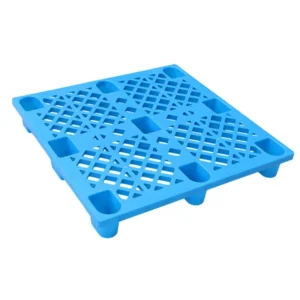
For example, the 1100 x 1100 Nestable Pallet is designed with a 9-leg structure and is suitable for general warehouse circulation and material handling applications. Its standard footprint makes it suitable for many global supply chain environments.
Another option is the 1100 x 900 Nestable Plastic Pallet, which features an open deck structure. This design provides ventilation and a lightweight construction that fits distribution and handling operations where airflow and easy cleaning are important.
What Should You Consider When Choosing a Plastic Pallet Supplier?
A reliable supplier should provide more than standard products. Manufacturing capability, quality control, customization support, and technical experience all influence the final pallet performance.
Qingdao CNplast Co., Ltd. provides Custom Plastic Pallets based on different industry requirements, including size adjustments, color options, and design modifications. Its custom plastic pallet services support businesses that need specific solutions beyond standard models.
As an experienced Plastic Pallet Manufacturer, the company also provides production information, technical resources, and product support through its capabilities and customer service channels.
FAQ
Q1: What Is a Nestable Plastic Pallet?
A: A Nestable Plastic Pallet is a plastic pallet designed with nesting legs that allow empty pallets to fit into each other. This design reduces storage space and improves pallet circulation efficiency.
Q2: Are Nestable Plastic Pallets Reusable?
A: Yes. Most nestable pallets are made from durable plastic materials such as HDPE or PP, allowing them to be reused many times in warehouse and logistics operations.
Q3: What Is the Difference Between Nestable and Stackable Plastic Pallets?
A: Nestable plastic pallets are designed with a space-saving structure that allows empty pallets to fit inside each other, reducing storage space and return transportation costs. Stackable plastic pallets are designed to be placed directly on top of each other with a stable base structure.
Q4: Can Nestable Plastic Pallets Be Used for Export Transportation?
A: Yes. Some nestable designs can be used as Export Plastic Pallets when their load capacity and dimensions meet transportation requirements. The correct pallet model should be selected based on cargo weight and handling conditions.
Q5: How Can I Find a Reliable Plastic Pallet Manufacturer?
A: A reliable Plastic Pallet Manufacturer should provide consistent quality, customization options, production capability, and technical support. Reviewing product specifications and manufacturing experience can help make a better purchasing decision.