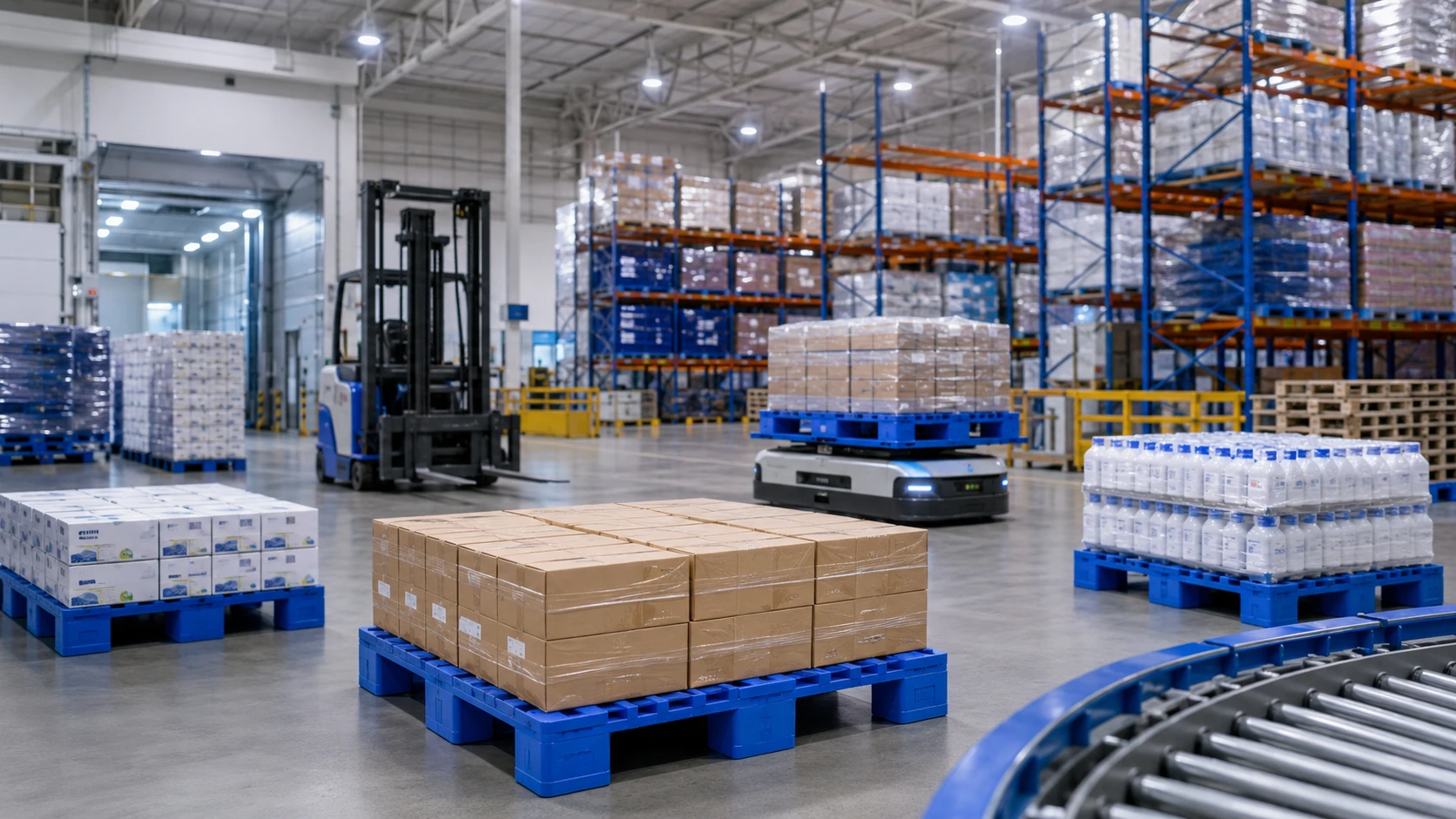
Why Do More Supply Chains Prefer Plastic Pallets in 2026?
Supply chains in 2026 just look different. Warehouses move faster. Labor is more expensive. Export rules got tighter. Buyers still expect clean storage though. Stable deliveries and less damaged goods are required.
Plastic pallets fit right in. You see them in food plants. Pharmaceutical warehouses use them. Cold chain logistics, retail distribution centers, and automated storage systems are making the switch too. They last longer, stay cleaner, and reduce many small operating problems. This is why many importers and logistics managers now work with experienced manufacturers such as Qingdao CNplast Co., Ltd..
Plastic Pallets Are Becoming the New Standard for Modern Warehousing
Warehousing changed quickly during the last few years. More facilities now use automated conveyors, barcode systems, stacker cranes, and robotic handling equipment. Those systems need pallets with stable dimensions and flat surfaces. Even a small crack or loose board may interrupt automated movement. That issue happens more often than many managers expect.
Growing Automation Requires Consistent Pallet Dimensions
Automated storage systems rely on predictable pallet movement. Wooden pallets often vary slightly in size after long use, especially in humid areas or cold storage rooms. Some pallets bend. Some lose corner strength. Then conveyors stop unexpectedly.
Plastic pallets solve much of that problem. Injection molded pallets usually keep stable dimensions even after years of use. In large distribution centers, stable pallet movement can reduce downtime and manual corrections.
For buyers comparing automated warehouse pallets, CNplast’s manufacturing capability section is a better place to check structure options, molding capacity, and custom support.
Heavy-Duty Storage Systems Demand Higher Load Capacity
Warehouse racks today often store products several meters high. Beverage companies, chemical factories, and manufacturing plants place heavy goods on rackable pallets every day. Weak pallets create safety risks. A broken pallet in elevated storage is not just a product issue anymore.
Heavy-duty plastic pallets are designed for dynamic load, static load, and racking load requirements. Some reinforced models use steel tubes for added support. This helps pallets maintain shape during long-term rack storage.
How Can Companies Reduce Hidden Logistics Costs in 2026?
Many companies first compare pallet prices only by unit cost. But transport packaging costs rarely end there. Replacement frequency, damaged cargo, warehouse space, export treatment fees, and labor time all affect the real cost.
Plastic pallets usually require higher initial investment. Still, long-term operating costs often become lower.
Longer Service Life Helps Lower Replacement Frequency
Wooden pallets often break after repeated forklift handling. Corners chip. Boards crack. Moisture weakens the structure. Some warehouses replace pallets every few months. That cycle creates constant purchasing and disposal costs.
Plastic pallets usually stay in service much longer. In closed-loop logistics systems, many companies use the same pallets for years. That helps reduce pallet turnover expenses and unexpected supply interruptions.
The Download Center from Qingdao CNplast Co., Ltd. provides technical details for different pallet models, including load ratings and dimensions. Buyers often check these details before selecting pallets for export warehouses or high-rack storage.
Nestable and Stackable Designs Save Warehouse Space
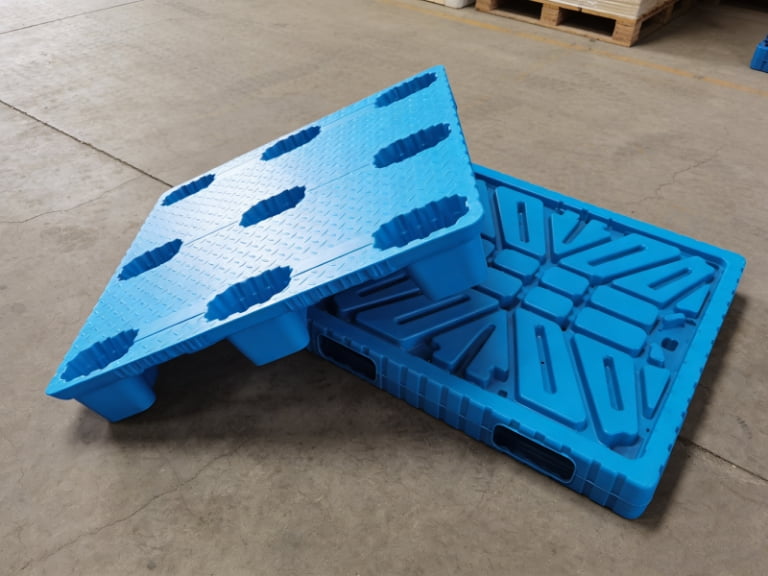
Warehouse space is expensive now, especially near ports and urban logistics hubs. Empty pallets take up more space than many buyers expect. Nestable plastic pallets help reduce storage volume because they fit into each other when not in use.
This is useful for export businesses that handle return logistics or seasonal inventory. A warehouse may store thousands of empty pallets after the peak season. Saving space can directly reduce operating costs.
Stackable pallets also improve transport efficiency during backhaul shipping. More pallets can fit into trucks or containers.
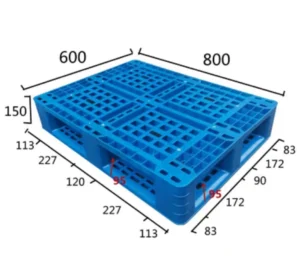
Lightweight Plastic Pallets Help Reduce Transportation Expenses
Air cargo, express logistics, and export shipping often charge based on weight. Lighter pallets help reduce total shipment weight.
Plastic pallets also improve manual handling in some warehouse environments. Forklift movement becomes smoother because pallet surfaces stay more uniform. Drivers notice it quickly, especially during long shifts.
Many export companies now choose lightweight nestable pallets for one-way shipping because they remove fumigation procedures and reduce freight weight at the same time.
Food and Pharmaceutical Industries Are Accelerating the Shift to Hygienic Plastic Pallets
Cleanliness standards are stricter now across food processing and pharmaceutical logistics. Buyers ask more questions about contamination risks. Audits happen more often too. Wooden pallets are still used in some sectors, but many companies no longer consider them suitable for sensitive goods.
Hygiene Standards Are Becoming Stricter Worldwide
Food and pharmaceutical warehouses must control moisture, bacteria, dust, and foreign particles. Wooden pallets naturally absorb water and may grow mold under poor storage conditions. Splinters and nails also create contamination risks.
Easy-to-Clean Plastic Pallets Improve Supply Chain Safety
Plastic pallets with smooth surfaces reduce dirt buildup and simplify sanitation work. In busy factories, easier cleaning saves labor time. It also helps inspection teams check pallet conditions faster.
CNplast provide customization options including color selection, anti-slip surfaces, reinforced structures, and logo printing. Color-coded pallets are common in pharmaceutical and food operations because they help separate product zones and reduce handling mistakes.
Cold storage warehouses also prefer plastic pallets because moisture and low temperature affect them less than wood.
Export Businesses Want to Avoid Fumigation Delays
International shipping regulations continue changing. Many countries require fumigation treatment for wooden packaging materials under ISPM-15 rules. That process adds time, paperwork, and sometimes unexpected customs delays.
Plastic pallets avoid these fumigation requirements. Export shipments move faster and documentation becomes simpler. This is one reason export manufacturers increasingly use plastic pallets for overseas distribution.
Sustainable Packaging and Green Logistics Are Driving More Plastic Pallet Demand
Global Brands Are Focusing on Recyclable Logistics Materials
Reusable plastic pallets fit circular logistics systems very well. Some recycled plastic pallets also use reclaimed material from industrial waste streams.
This reduces landfill waste and lowers raw material consumption over time. For companies tracking carbon reduction targets, reusable transport packaging supports broader sustainability plans.
CNplast Sustainability Practices Support Eco-Friendly Supply Chains
Long service life is part of sustainability too. A pallet that lasts several years usually creates less waste than pallets replaced every few months.
Plastic pallets can also be recycled after reaching end-of-life condition. That creates another practical advantage for large warehouse systems managing thousands of pallets.
There is also less material waste during normal daily use. Broken wooden boards and pallet debris often create cleanup problems in industrial facilities. Plastic pallets reduce much of that mess.
Recycled Plastic Pallets Are Becoming Popular in Industrial Applications
Recycled plastic pallets are now widely used in manufacturing plants, warehouse storage, agricultural logistics, and closed-loop distribution systems. They offer a balance between cost and durability.Different industries need different pallet types. That is why custom sizing and load design became more important recently.
Which Plastic Pallet Types Are Most Popular in 2026?
Not every pallet fits every industry. Choosing the wrong pallet often creates handling problems later.
Rackable Plastic Pallets for High-Bay Warehouse Systems
Rackable pallets are widely used in heavy storage systems. They usually support higher racking loads and maintain better structural stability during long-term storage.
Industries such as beverage production, automotive parts, chemicals, and retail distribution commonly use these pallets because products stay on racks for long periods.Steel reinforcement is often added for higher load performance.
Nestable Plastic Pallets for Export and Distribution
Nestable pallets save space during storage and return transport. Export companies use them heavily for one-way shipments and container loading.These pallets also reduce empty return volume. In large export operations, storage savings become very noticeable after several months.Lightweight designs help lower shipping costs too.
Hygienic Plastic Pallets for Food and Pharmaceutical Use
Hygienic pallets usually feature smooth surfaces and closed deck structures. This design reduces dirt collection and simplifies cleaning work.
Food factories, seafood exporters, pharmaceutical plants, and cold chain operators often choose these models because sanitation rules continue becoming stricter.
Customized Plastic Pallets for Industry-Specific Needs
Automated systems may need RFID support. Export warehouses may require logo printing or anti-slip surfaces.Custom pallets help solve these issues more directly.
CNplast allows buyers to discuss pallet dimensions, loading requirements, warehouse conditions, and export applications with the manufacturer.
Why Global Buyers Choose Qingdao CNplast Co., Ltd.
Choosing a pallet supplier is not only about price anymore. Buyers now care about production consistency, export experience, technical support, and customization ability. Delayed pallet delivery can interrupt warehouse operations very quickly.
That risk becomes bigger during peak shipping seasons.
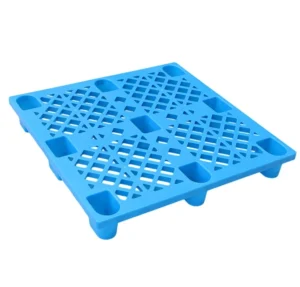
Advanced Manufacturing and Quality Control Capability
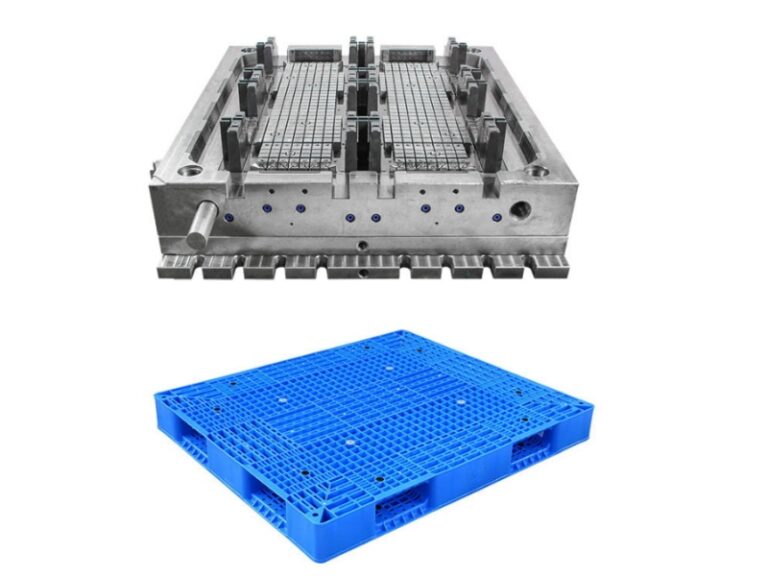
Modern pallet production requires stable molding systems and reliable material control. Poor-quality pallets may deform after repeated use or fail during rack storage.
Qingdao CNplast Co., Ltd. produces plastic pallets for different industries including warehousing, food logistics, pharmaceutical transport, and export shipping. CNplast also provides technical specifications and product support through its online resources.
Flexible OEM and Custom Plastic Pallet Services
Different warehouses use different forklift systems, rack dimensions, and transport methods. Standard pallets do not always fit every operation.
Custom services help buyers adjust pallet dimensions, color, surface design, and reinforcement structure according to actual logistics conditions.
This is useful for companies expanding automated warehouses or changing export packaging standards.
Export Experience Supports Worldwide Supply Chains
International logistics requires stable production schedules and consistent quality. Buyers often ask about export experience before selecting suppliers because shipping delays affect inventory planning directly.
CNplast provides answers about pallet materials, applications, and production details. For technical buyers, this type of information helps speed up sourcing decisions.
FAQ
Q1: Why are plastic pallets becoming more popular than wooden pallets in 2026?
A: Plastic pallets last longer, resist moisture, reduce contamination risks, and work better in automated warehouses. They also avoid fumigation requirements during export shipping.
Q2: Are plastic pallets suitable for heavy warehouse racking systems?
A: Yes. Heavy-duty rackable plastic pallets are designed for static load, dynamic load, and racking load applications. Some models include steel reinforcement for higher strength.
Q3: Can plastic pallets be used in food and pharmaceutical industries?
A: Yes. Hygienic plastic pallets with smooth surfaces are widely used in food processing, cold chain logistics, and pharmaceutical warehouses because they are easier to clean and maintain.
Q4: Do plastic pallets help reduce logistics costs?
A: In many cases, yes. Their longer service life, lighter weight, and space-saving designs can reduce replacement costs, transport expenses, and warehouse storage requirements.
Q5: Can plastic pallets be customized for specific industries?
A: Yes. CNplast can provide custom sizes, colors, anti-slip surfaces, RFID options, logo printing, and reinforced structures for different logistics environments.