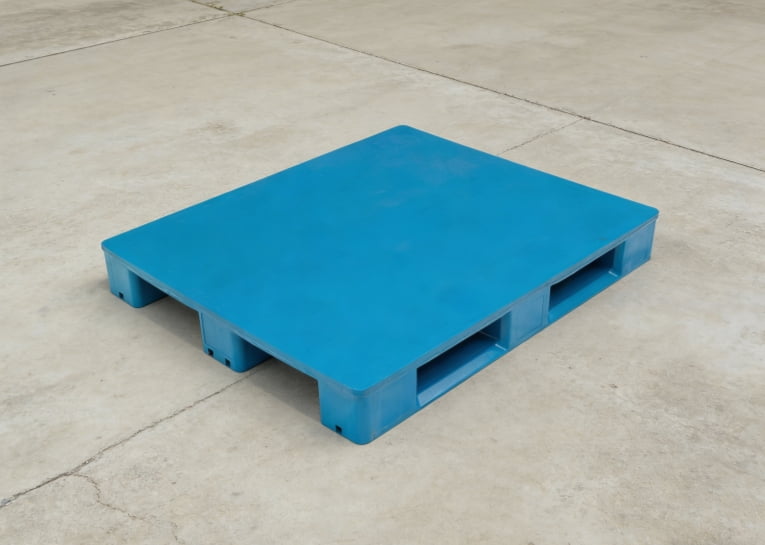
Wooden pallets cause more problems in the warehouse than most people expect. They crack, break, and grow mold far too easily. Even worse, they can get your entire shipment rejected at customs because of phytosanitary issues. Those delays are expensive and frustrating.These problems don’t just drag down operational efficiency—they also compromise the integrity of your goods. Hidden safety hazards come along with them, unplanned operational downtime follows right after.Frequent equipment replacements, ongoing maintenance costs, plus unexpected supply chain delays—all these factors combined can add up to crippling financial losses for businesses.
This guide breaks down the most viable sourcing channels for plastic pallet procurement in a systematic way, and clear evaluation benchmarks have been laid out within it too. It helps businesses pick out suppliers who can deliver steady, dependable product quality over the long run.
High Replacement Costs and Fragile Supply Chains
The plastic pallet market in North America hit $2.06 billion in 2023 and is still growing at about 5.3% per year. More and more companies are realizing that switching from wood makes long-term sense.Replacing low-cost pallets every six months never actually saves money — it only keeps draining your budget over time. While wooden pallets come with a low upfront cost, they are prone to damage and pest infestation. They need repeated ISPM-15 certification for export shipments, creating an endless cycle of purchasing and logistics headaches.
Investing in Durable HDPE Pallets for Long-Term ROI
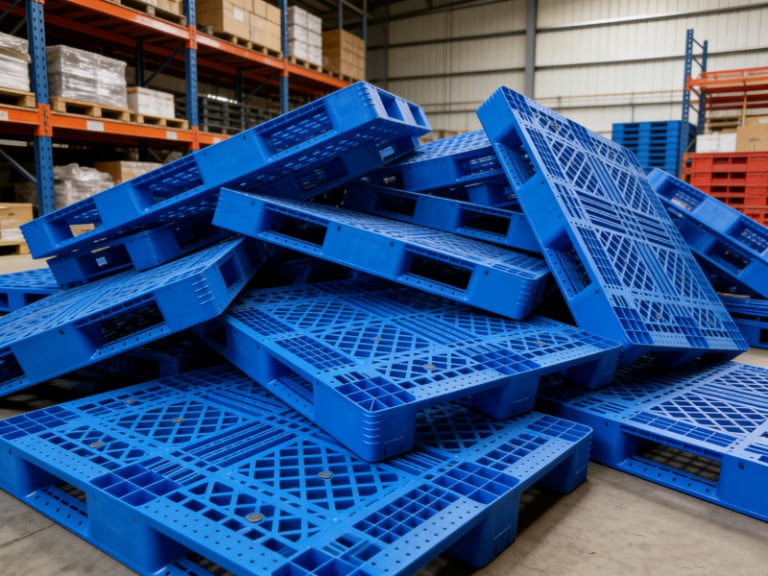
There’s good reason why High-Density Polyethylene (HDPE) has become the go-to material across industrial sectors.Recycled plastic pallets tend to become brittle and crack after a while. Virgin HDPE is much tougher — it handles constant impacts and drops much better in a busy warehouse or loading dock.At Qingdao CNplast, they focus on these heavy-duty pallets. They use one-piece injection molding instead of bolting or gluing parts together, so there are no weak joints that can fail later.Its pallets typically boast a service life of over 10 years. Compared with the short lifespan of wooden pallets, this lets businesses gain multiple times the return on their initial investment.
Transitioning from Single-Use Wood to Multi-Way Plastic
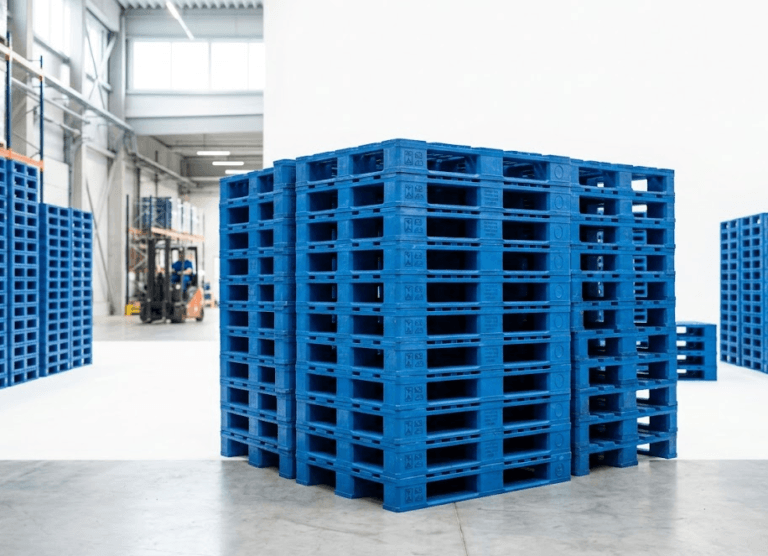
Good plastic pallets can be used 50 to 100+ times in a closed loop before they’re recycled. That’s a huge difference compared to wooden pallets, which usually end up in the landfill after just a few trips. Compared with short-lived wooden pallets, they greatly cut down landfill waste and disposal costs. Looking across CNplast’s product range, every design is engineered to withstand hundreds of transport cycles. When these pallets finally reach the end of their service life, they are 100% recyclable, turning waste challenges into valuable raw material opportunities.
| Cost Factor | Wooden Pallets (Standard) | CNplast HDPE Pallets |
| Initial Purchase Price | $12,000 (Lower upfront) | $35,000 (Capital investment) |
| Average Lifespan | 6 – 12 Months | 10+ Years |
| Annual Replacement Rate | 25% – 40% (Due to breakage) | < 2% (Accidental damage) |
| Repair & Maintenance | Constant (Nails, splinters) | Zero |
| ISPM-15 Compliance Fees | $2.00 – $5.00 per export trip | $0 (Exempt) |
| 5-Year Total Estimated Cost | $48,000+ | $36,500 |
Four Proven Sourcing Channels for International Procurement
1. Direct-to-Factory Procurement
Going straight to the source is the smartest move for bulk buyers. Factories like Qingdao CNplast Co., Ltd. offer direct pricing without the 15-20% markup added by trading companies. Buying direct also gives you a straight line to the engineers.
When vetting a supplier, ask for a live video tour of their production floor. A top-tier manufacturer like Qingdao CNplast doesn’t just show you a warehouse; they show you the 2,000-ton to 4,000-ton high-pressure injection molding machines required to create high-density structures.A professional factory uses automated robotic arms to ensure every pallet has the exact same wall thickness and weight distribution.
2. Global B2B Marketplaces
Sites like Alibaba and Made-in-China work really well for side-by-side price comparisons. You need to make sure the supplier holds a verified badge, and audit records posted on their official website should always be reviewed carefully.
3. International Logistics and Material Handling Expos
Events like CeMAT or local transport fairs allow you to kick the tires. You can see the finish of the plastic, test the friction of the anti-slip mats, and meet the team.
4. Professional Industry Referrals and Case Studies
Check who else uses the pallets. If a supplier provides solutions for major beverage or pharmaceutical brands, they have already passed a rigorous audit. You can often find these success stories and industry news on a manufacturer’s site, which helps you see how they handle real-world challenges like cold storage or heavy industrial parts.
Uncertainty in Load Capacity and Racking Safety
Integrated Steel Reinforcement for High-Bay Racking
To stop the bending, look for pallets that allow for steel tube inserts. This allows a plastic pallet to carry 1,500kg or more in an open rack with minimal deflection.
Rigorous Testing Protocols and Load Certification
A high-tier Plastic Pallet Supplier should provide test data consistent with ASTM D1185 (Standard Test Methods for Pallets). This ensures your Heavy Duty Plastic Pallets won’t buckle during dynamic shipping cycles.
Regulatory Hurdles and Hygiene Compliance in Export
Cross-border shipping is absolutely a paperwork minefield. Go with wood, and you’ve got to stress over heat-treatment markings for long ocean voyages, not to mention mold breaking out mid-transit. Plastic wipes all those headaches away entirely.
Critical Criteria for Selecting a High-Tier Supplier
Suppliers like Qingdao CNplast Co., Ltd. stay ahead of competitors with heavy investment in high-tonnage injection molding machines that guarantee consistent wall thickness and uniform weight for every pallet.Beyond reliable standard quality, CNplast also provides professional bespoke customization. When regular off-the-shelf pallets cannot match automated production lines, the company develops new molds or revises existing ones to add extra runners, RFID tag slots and other special structures tailored to actual operation needs.
FAQ
Q1: Why is plastic better than wood for international shipping?
A:Plastic pallets win for overseas shipping. They skip ISPM-15 heat treatment entirely. No extra paperwork, no fumigation, and far less risk of customs delays from mold or pests. Wooden ones often get stuck for days.
Q2: Can plastic pallets be used in high-bay racking systems?
A:Yes, but only the right ones. Rackable versions with internal steel tubes work best. They carry heavy loads without sagging over time.
Q3: Is it possible to get a custom size if my conveyor is non-standard?
A:Yes. Factories can build or adjust molds to fit your exact size and add runners or RFID slots. It raises the minimum order quantity because custom tooling costs money. Most companies accept it when standard pallets keep jamming their lines.
Q4: What is the difference between virgin and recycled plastic?
A:Virgin HDPE is stronger and safer for food or medicine. Recycled plastic is cheaper and fine for one-way trips, but it turns brittle faster. After repeated warehouse use, cracks appear much sooner.
Q5: How do I verify if a supplier is a real factory?
A:Check their certifications. Real factories usually hold valid ISO 9001 and ISO 14001 certificates.