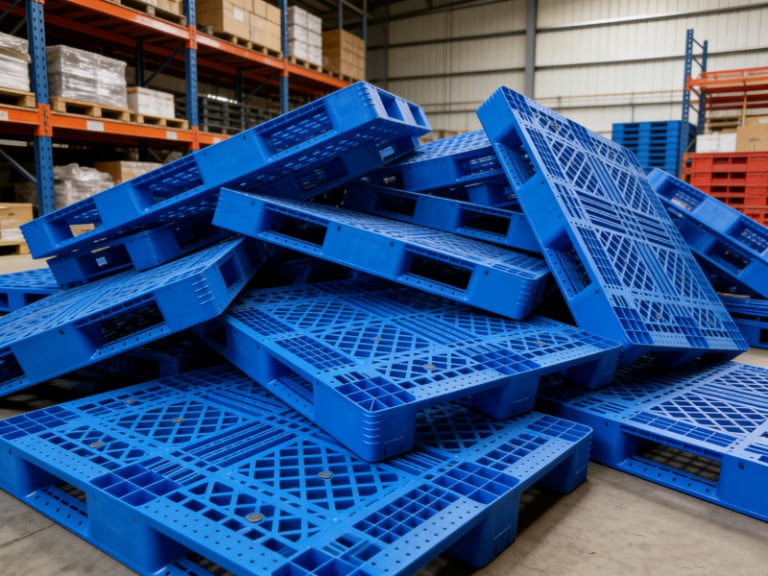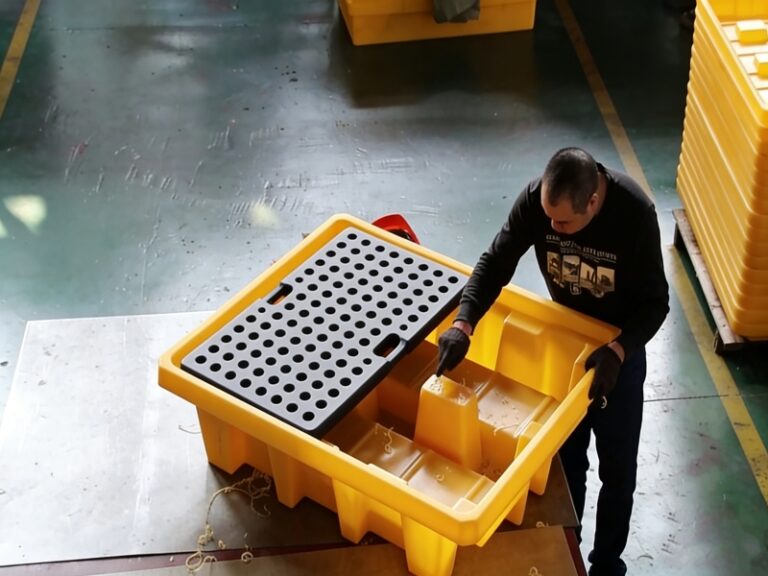
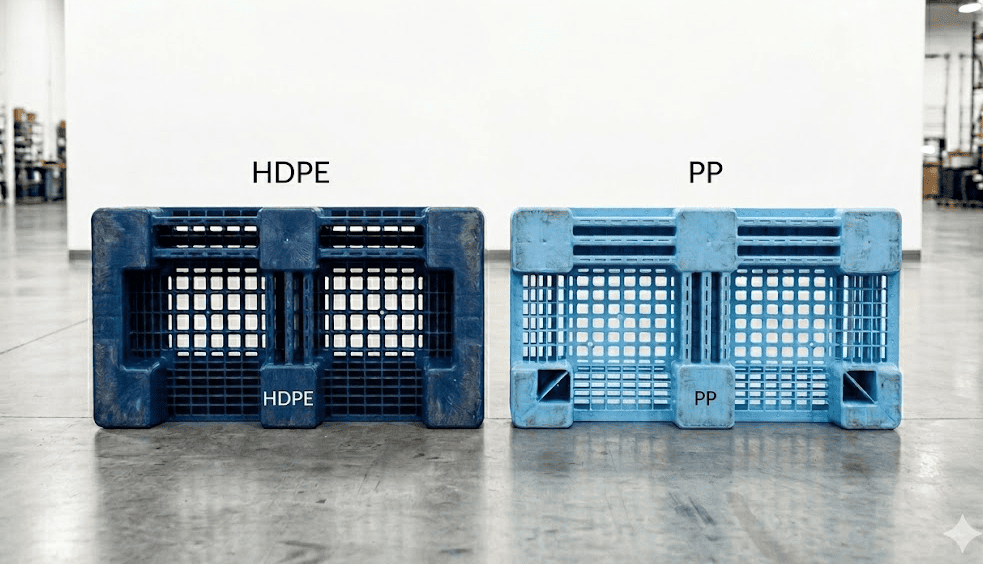
Choosing between HDPE and PP pallets is more than a budget decision—it’s a calculation of safety and efficiency. A brittle pallet in a -30°C freezer or a sagging rack in a high-volume hub can cause costly product damage. To make the right choice, it helps to know how each material behaves under different conditions. Qingdao CNplast Co., Ltd. offers a wide range of plastic pallets designed to meet various warehouse and logistics needs. Their products combine durability, sustainability, and customisation options, helping operations of all sizes find the right solution. With options suitable for heavy racks, cold storage, or lighter seasonal loads, their pallets can adapt to real-world challenges, keeping goods safe and workflows smooth.
What Are The Core Differences Between HDPE And PP Pallets?
Deciding on HDPE or PP begins with their basic traits. They handle weight, heat shifts, and chemical contact in distinct ways. Understanding these facts can cut costs and avoid troubles. For instance, in a factory dealing with oily parts, one material might hold up better than the other.
Material Properties And Load Capacity
When evaluating heavy-duty plastic pallets HDPE, performance is often measured by ISO 8611 standards. HDPE typically exhibits a superior Flexural Modulus (approx. 800-1200 MPa), ensuring that Rackable plastic pallets maintain structural integrity under static loads of up to 6,000kg without permanent deformation.HDPE pallets feel sturdier and less bendy. This makes them great for tough racks and regular forklift lifts. They manage bigger steady weights. They also fight against warping. PP pallets weigh less and bend more easily. So, they suit average or small loads. At CNplast, the HDPE rackable pallets handle heavy factory goods. Meanwhile, PP stackable pallets work well for minor or short-term storage. In practice, a warehouse stacking boxes of tools might prefer HDPE for the bottom layers to avoid sagging.
Temperature Resistance And Environmental Tolerance
HDPE stands up to very cold or hot spots. It stays tough in freezers or under bright sunlight. PP gets fragile in chillier weather. However, it handles chemicals better than HDPE. CNplast items cover choices for cool supply chains and spots with harsh cleaners. This versatility fits many work setups. Picture a food plant with varying room temps—HDPE keeps pallets solid through the day.
Lifespan And Sustainability Considerations
HDPE often goes the distance. It takes rough treatment over and over. That means fewer swaps needed. PP recycles well. It costs less at the start. So, it’s fine for quick jobs or busy seasons. CNplast highlights green efforts on its sustainability page. Both materials aid reuse loops and eco-friendly storage. Interestingly, some users note that recycled PP feels just as reliable after a few cycles, adding a practical twist to green choices.
| Feature | HDPE Pallets | PP Pallets |
| Impact Resistance | Excellent (High) | Moderate |
| Cold Tolerance | Best (-40°C) | Poor (Brittle below 0°C) |
| Chemical Resistance | Good | Superior (Acids/Bases) |
| Stiffness/Rigidity | High (Great for Racking) | Very High (Less creep) |
| Best For | Cold chain, heavy racking | Chemical labs, warm storage |
Which Warehouse Scenarios Favour HDPE Pallets Over PP?
HDPE pallets do well in spots needing solid strength, extended life, and steady performance. For global distributors managing Plastic pallets for warehouse operations, HDPE is the industry standard due to its fatigue resistance.
Heavy-Duty Storage And High-Rack Shelving
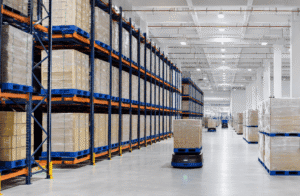
Places with tall, weighty shelves gain from HDPE’s firmness. They often carry steady loads of around 4000 kilograms. The extra support stops drooping during forklift moves. CNplast’s rackable HDPE pallets allow entry from all four sides with forklifts. They blend into auto storage systems, too. This setup boosts room use while keeping things safe. Workers in such areas appreciate the quiet reliability—no sudden shifts mid-lift.
Cold Chain Logistics And Moisture-Prone Environments
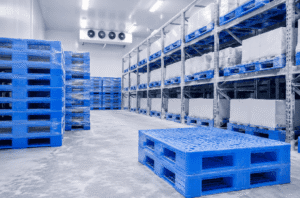
For items in chillers or wet areas, HDPE holds its shape and shrugs off water harm. Drinks, frozen meals, and drug supplies need pallets that don’t twist or split. CNplast HDPE pallets serve in cool transport hubs. They offer lasting steadiness amid temp swings. HDPE pallets’ cold storage performance remains stable down to -40°C, unlike PP , which reaches its glass transition point and becomes brittle. In one case, a grocery chain used them for ice cream stock and saw zero cracks over a year.
High Frequency Reuse And Long-Term Investment
Constant moving wears out slimmer pallets fast. HDPE’s toughness stretches out its useful life. This cuts down on buying new ones often. CNplast gives ways to add extra strength via their capabilities page. It helps in busy zones. Over time, this choice pays off, especially if your team handles 500 loads a week.
When Is PP Pallet The Smarter Choice?
PP pallets offer benefits in lighter or chemical-heavy tasks. They save money and adapt well in some cases. Not every warehouse needs the heaviest option—sometimes simpler works fine.
Lightweight Goods And Easy Handling
With average or tiny items, PP pallets ease worker effort and cut shipping mass. Lighter weight means less gas used on trips. CNplast sells PP stackable pallets that suit easy piling and moving for lighter holds. A small retail shop might stack seasonal clothes on them without back strain.
Chemical Storage Or Acidic Product Transport
PP fights off chemical wear more than HDPE. According to a detailed material comparison by Xometry, Polypropylene offers excellent resistance to diluted and concentrated acids (such as nitric acid), alcohols, and bases, while HDPE performs better against certain reducing agents and oxidants (such as hydrochloric acid). This makes PP pallets particularly suitable for environments involving organic solvents, degreasing agents, or a wide range of corrosive chemicals commonly found in chemical storage and processing facilities.
According to technical material studies from leading resin producers like Dow Chemical, PP maintains its structural integrity even when exposed to organic solvents and degreasing agents, making it the ideal choice for chemical-heavy warehouse environments. CNplast supplies tough-to-chemicals PP pallets for factory or lab spots. In a paint warehouse, these hold up against spills that would bother other types.
Cost-Effective Options For Short-Term Or Seasonal Use
For seasonal or brief storage, PP’s ow price draws buyers. CNplast’s custom pallet options let you order lots for quick needs. No big upfront spend required. This gives room for shops with up-and-down storage calls. One farm co-op used them for harvest rushes and saved noticeably on totals.
How To Choose Between HDPE And PP For Mixed Operations?
Lots of storage places juggle varied tasks. Some parts call for strong handling. Others just need light or passing holds. Pairing the right material to each job cuts harm, smooths steps, and watches spending. It’s like sorting tools for different fixes—each fits its spot.
Matching Pallet Material To Product Weight And Storage Conditions
Look at item heaviness, surroundings, and move count. HDPE fits cool, weighty, and often-touched stuff. PP suits slimmer, chemical-safe, or quick holds. CNplast lets you blend types in a single space. Each zone gets the best fit. For example, a mixed goods depot might use HDPE for machines and PP for boxes nearby.
Balancing Cost, Durability, And Operational Efficiency
Stout HDPE saves cash later by skipping repeats. PP trims start costs and haul weight. CNplast adds sizes, shades, and tags that aid sorting varied stocks. This works even over several sites. In busy seasons, clear colors prevent mix-ups, saving hours of search time.
Enhancing Pallet Performance Through Smart Customisation
How well pallets work isn’t just about the base stuff. Tweaks can boost moving, safety, and speed. Wise adds to stop small issues from growing into high costs. Sometimes, a simple change like a better grip turns an okay setup into a smooth one.
Size, Colour, And Forklift Compatibility
Tailored measures match shelves tightly. This cuts empty spots. Hues sort areas or mark goods kinds. CNplast provides fitted sizes and colours. They work with lift trucks and auto gear. A warehouse manager once said custom fits shaved 10% off their floor plan waste.
Reinforced Structures And Anti-Slip Surfaces
Under big weights, pallets might flex or slip. Added bars, metal inserts if wanted, and rough tops hold loads firm. CNplast upgrades HDPE and PP with these for your exact hurdles. In rainy docks, anti-slip cuts slips that lead to downtime.
Branding And Tracking Solutions
QR marks, RFID bits, and company signs ease stock checks. Custom tags track items on the go or in holds. CNplast backs these ads. They build on basic uses without big shifts. One logistics firm added tags and dropped lost items by 20%—a real game-changer in tracking.
Why Qingdao CNplast Co., Ltd. Is A Reliable Plastic Pallet Partner
Advanced Production Capabilities And ISO Compliance
Top-notch making guarantees every pallet hits strength and lasting marks. CNplast sticks to ISO rules. It crafts pallets that take hard use. Their lines run smoothly, turning out batches that meet daily demands without flaws.
Sustainability Practices And Material Sourcing
HDPE and PP picks focus on recycling ease. CNplast picks low-harm sources. This backs green shipping work. They even share tips on reusing old pallets, which helps smaller ops join the eco push without hassle.
Global Supply And Custom Support
Quick ship times, make-to-order, and design tweaks make CNplast a solid pick for any size storage. Their contact page gives straight paths for questions, price checks, and tech help. From Asia to Europe, they’ve shipped thousands, building trust one order at a time.
Conclusion
Deciding between HDPE and PP comes down to your operational environment: invest in HDPE pallets for the uncompromising strength required in cold storage and heavy-duty racking, or prioritise PP pallets if your facility demands superior chemical resistance in ambient temperatures.
At Qingdao CNplast Co., Ltd., we go beyond simply manufacturing products by offering customised load-testing and structural guidance to ensure your equipment optimizes warehouse safety and long-term ROI. If you are ready to eliminate the guesswork in your procurement, our technical team is available to help you define the exact specifications for your next high-volume project.
FAQ
Q1: How do I decide between HDPE and PP pallets for my warehouse?
A: Think about item weight, how often you move them, temps, and chemical risks. HDPE suits heavy and regular jobs. PP fits lighter, chemical-tough, or brief storage. Weigh these against your daily flow for the best match.
Q2: Can I mix HDPE and PP pallets in one facility?
A: Yes. Various parts can pick materials to fit their roles. Tailored sizes and tags keep stocks sorted well. This setup lets you adapt without full overhauls.
Q3: Do customized pallets increase cost significantly?
A: Adds like strong bars, no-slide tops, or QR follows raise price a bit. But they lower breaks and boost speed. That balances out the upfront spend over months.
Q4: How long do HDPE pallets last compared to PP?
A: HDPE holds up better in heavy or repetitive tasks tasks. It might go years with care. PP works for light or peak times. It could wear quicker under big strains, say after 50 heavy lifts.
Q5: Where can I find sustainable plastic pallet options?
A: Qingdao CNplast Co., Ltd. has HDPE and PP pallets built for easy recycling and a small eco footprint. They follow ISO standards. Plus, their guides help you plan green swaps step by step.