Best Plastic Pallets for Food and Beverage Storage
Food and beverage goods go through many steps before they reach end consumers. Raw materials get delivered to manufacturing factories, finished products are stored in warehouses, and packaged items ship across local regions and international markets. The storage equipment businesses use in these stages directly affects hygiene standards, product quality, and overall operational costs.
This guide breaks down the key traits of qualified food-grade pallets, lists common use cases for hygienic pallet products, and helps you pick the most suitable option for your facility.
Why Plastic Pallets Are Preferred for Food and Beverage Storage?
Better Hygiene and Food Safety Compliance
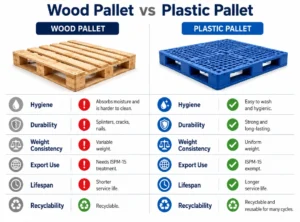
According to testing by the National Consumers League (NCL), 10% of wooden pallets tested positive for E. coli, while only 1.4% of plastic pallets did. Additionally, 2.9% of wood pallets tested positive for Listeria (with some containing the virulent Listeria monocytogenes strain), while none of the plastic pallets did.
Food processing facilities must follow strict hygiene standards all year round.
Plastic pallets come with smooth, non-absorbent surfaces. Cleaning staff can wash them thoroughly with plain water, common detergents, or standard sanitizing solutions. This keeps storage areas cleaner at all times and cuts down the chance of product contamination.
Most food production teams choose hygienic plastic pallets. These pallets work well with HACCP and GMP management systems, and they are simple for inspectors to check and keep sanitized.
Resistance to Moisture, Mold, and Contamination
Studies show that wooden pallets can harbor bacteria due to their porous nature. In contrast, plastic pallets’ non-porous surfaces significantly reduce this risk, making them preferable for strict food safety environments.
Wood is a porous material by nature. It soaks up moisture from the air and liquid spills without difficulty. Mold growth and bad odors will show up after long-term use, and this ruins storage safety.
Plastic pallets do not have this issue. Water sits on the surface instead of sinking into the material. This feature is extremely useful for beverage factories, seafood processing workshops, dairy production lines, and cold storage warehouses.
Even if a pallet is exposed to water every single day, it can keep its original shape and working performance for multiple years.
Longer Service Life in Wet and Cold Environments
Most food processing sites run refrigerated storage zones, and they conduct full equipment cleaning multiple times every day. These working conditions are harsh for standard pallet products.
Plastic pallets adapt to these tough conditions very well. They will not rust, rot, or break down when exposed to constant moisture. A longer service life means factories need fewer pallet replacements, and warehouse workflow disruptions are kept to a minimum.
Easier Cleaning and Sanitization Procedures
Regular cleaning is a mandatory rule for all food production facilities. Pallets may get cleaned every week, every day, or even right after each production batch finishes.
Closed-surface hygienic pallets have almost no gaps for dirt to build up. A basic water rinse can remove most surface residue quickly. It saves a lot of cleaning labor and helps facilities maintain consistent sanitation standards.
Key Features of Food-Grade Plastic Pallets
Not all plastic pallets fit food and beverage industry use.
Non-Porous Surfaces That Prevent Bacterial Growth
Non-porous plastic surfaces cannot absorb liquid spills or leftover food residues. This stops bacteria from growing inside the internal structure of pallets.
Closed Deck Designs for Cleaner Storage Areas
Closed deck structures leave very little space for dust, liquids, and packaging debris to collect. Cleaning work becomes simpler, and visual safety inspections take less time to complete. Beverage bottling factories and dairy processing plants widely use this type of pallet for this exact reason.
Durable Materials Suitable for Food Processing Facilities
High-density polyethylene (HDPE) is the most common material for hygienic pallet production. It has strong impact resistance and stable performance in low-temperature environments.
Forklifts and pallet jacks move these pallets around constantly. The material stays stable under frequent handling, and it will not form sharp edges or loose fragments after long daily warehouse use.
Hygienic Plastic Pallets vs Standard Plastic Pallets
Most buyers compare these two pallet types and wonder if the higher cost of hygienic models is worth the investment.
Surface Design and Cleanability
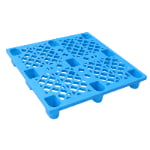
Standard plastic pallets have many internal ribs, open holes, and recessed areas across their structure.
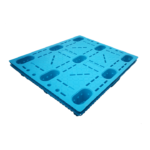
Hygienic pallets use smooth surfaces and rounded edge designs. Dirt cannot stick or accumulate easily on these structures, and washing work is far more efficient. The performance gap becomes very obvious after a few months of frequent cleaning in actual facility operations.
Contamination Risk Comparison
Food production sites need much stricter contamination control than ordinary warehouses.
Hygienic pallets eliminate most hidden spots where dust, liquid residue, and microorganisms gather. It cuts down cleaning workload and helps businesses reach core food safety goals.
Long-Term Cost Considerations
Hygienic plastic pallets have a higher upfront purchase cost.
But you cannot judge total cost by only the initial price. Long-term cleaning expenses, pallet replacement frequency, and sanitation-related operational risks all need to be considered. Most food facilities find these pallets more cost-effective when calculating total long-term operating costs.
Best Plastic Pallets for Different Food and Beverage Applications
Different food and beverage products create different storage and handling demands. A pallet that works well for bottled water may not suit frozen seafood storage at all.
Plastic Pallets for Beverage Manufacturing Plants
Beverage factories run high-volume production lines and deal with heavy pallet loads every day.
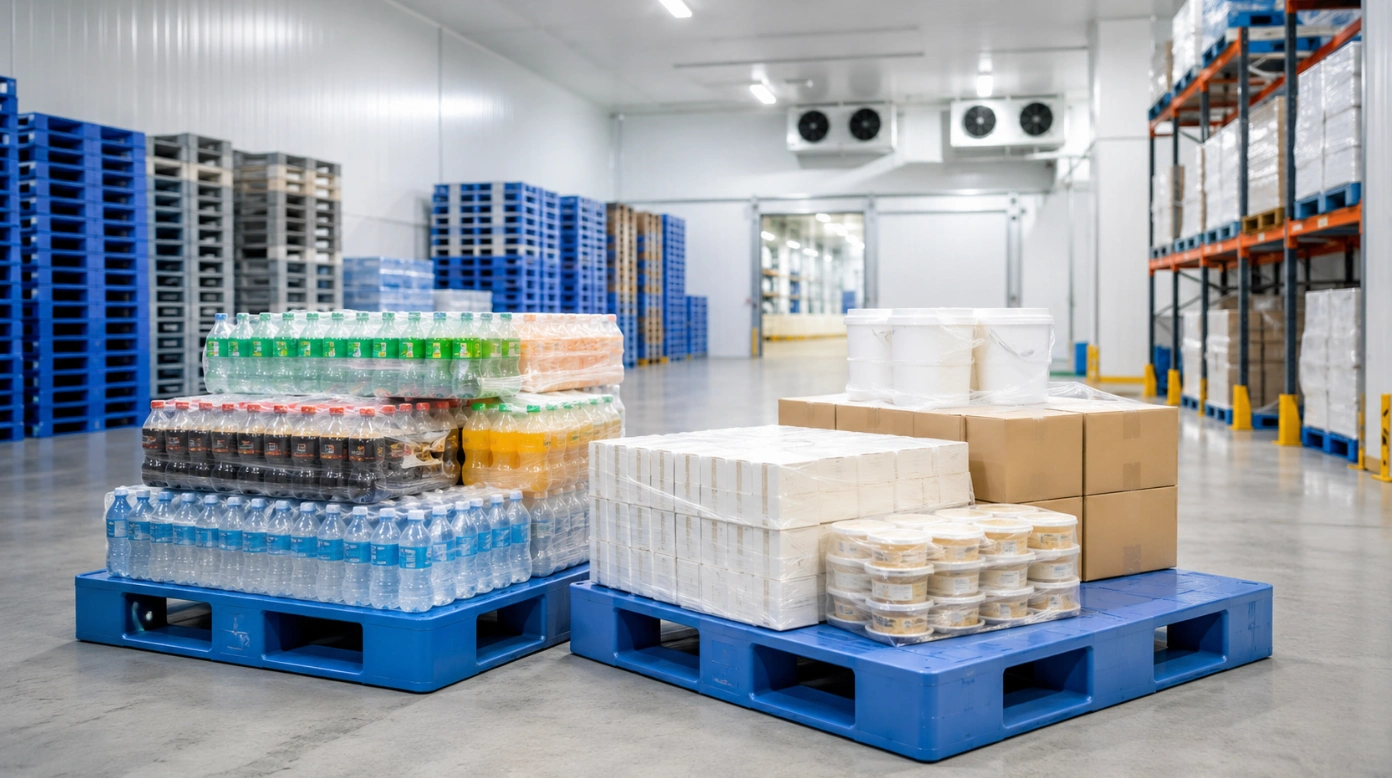
Closed-deck hygienic pallets keep working areas clean, and they fit most automated warehouse handling systems. They also hold up well under repeated forklift moving and stacking work.
Plastic Pallets for Dairy and Frozen Food Storage
Low-temperature cold storage puts extra pressure on pallet materials. Many ordinary pallets crack or deform in these conditions.
High-quality hygienic pallets keep complete structural integrity in refrigerated and frozen storage zones. This prevents early damage and premature replacement.
Plastic Pallets for Meat and Seafood Processing
Meat and seafood processing facilities need full washdown cleaning multiple times daily, with very strict sanitation rules.
The smooth surface of hygienic pallets lets cleaning teams remove organic residues quickly and without extra effort.
Plastic Pallets for Pharmaceutical and Nutritional Products
Pharmaceutical warehouses follow nearly the same strict hygiene standards as food production facilities.
Hygienic pallets maintain clean storage conditions and remove most contamination worries across the entire supply chain.
Why CNplast Hygienic Plastic Pallets Are Suitable for Food and Beverage Storage?
Choosing a pallet supplier involves more than checking pallet sizes and load bearing capacity. Manufacturing ability, custom service options, and stable product quality are equally important for long-term cooperation.
One-Piece Hygienic Design for Easy Cleaning
All hygienic pallets from CNplast feature smooth surfaces built specifically for sanitary industrial environments.
The one-piece integrated structure reduces joint lines and gaps. Contaminants have almost no place to hide, so daily cleaning work is faster and more effective than traditional pallet designs.
Food-Grade HDPE Material Options
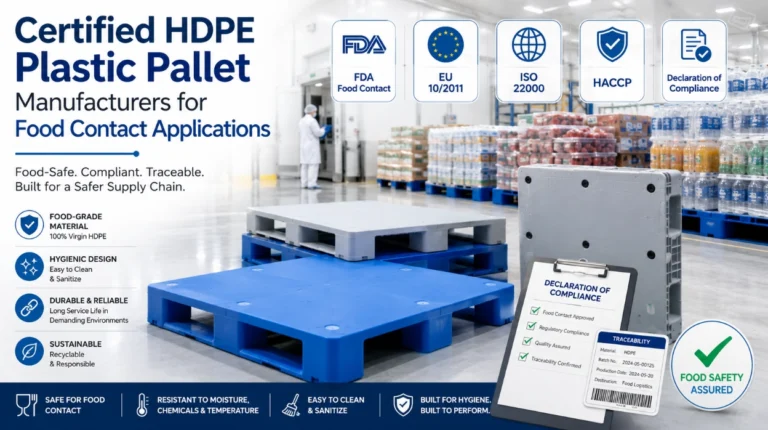
CNplast produces all hygienic pallets with durable food-grade plastic materials. These materials meet official standards for all food-contact and food storage scenarios.
Users can check full product details in the company’s Plastic Pallets Product Center. Multiple sizes and load capacity options are available for different facility needs.
High Load Capacity for Warehouse and Racking Systems
Food warehouses usually mix floor storage, forklift handling, and rack storage in daily work.
CNplast hygienic pallets are designed to adapt to these demanding warehouse environments. They keep stable dimensions and load bearing performance during long-term daily operation.
Custom Sizes and Colors for Industry-Specific Requirements
Many food manufacturers use unique packaging and production lines that need non-standard pallet sizes.
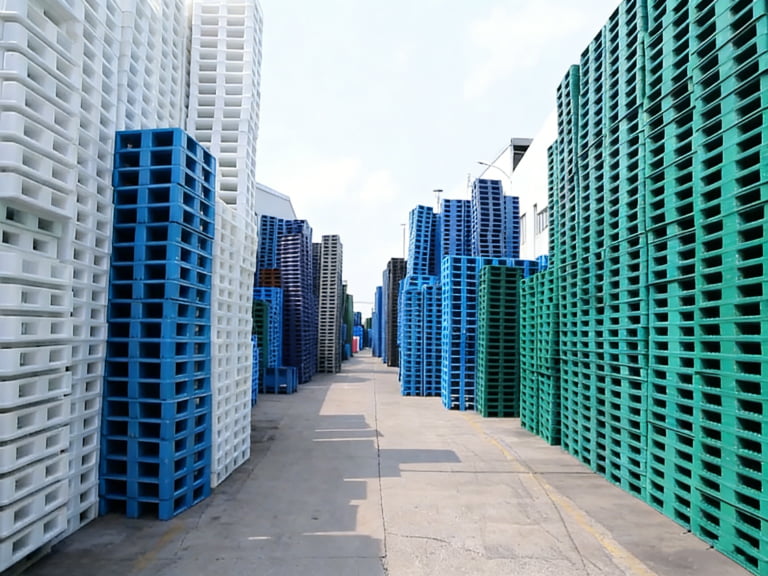
The company provides full custom manufacturing services. Clients can order pallets with custom dimensions, colors, printed logos, and other application-specific configurations.
Global Export Experience and Quality Control
Stable production capacity is key for businesses that need large-volume pallet procurement.
Buyers can download official technical documents from the company’s Download Center. Direct consultation is also available via the official Contact Page for any technical or ordering questions.
How to Choose the Right Plastic Pallet for Food and Beverage Warehousing?
Switching to plastic pallets supports better alignment with regulations like the FDA’s Food Safety Modernization Act (FSMA), which emphasizes sanitary transportation practices to prevent contamination.
Evaluate Load Capacity Requirements
Start your selection by calculating the total weight each pallet needs to carry.
You must make sure static load, dynamic load, and rack load ratings match your warehouse storage system and handling equipment specifications.
Consider Storage Temperature Conditions
Cold storage warehouses require pallets that stay stable at low temperatures.
Material choice becomes critical if your products are stored in refrigerated zones for long periods every day.
Match the Pallet to Racking Systems
Warehouse racking systems create concentrated pressure on pallet surfaces during storage.
Check your rack beam spacing, maximum storage height, and official rack load rules before you confirm any pallet specification.
Assess Cleaning and Sanitation Requirements
Facilities with strict daily cleaning schedules will get the most value from hygienic pallet designs.
Pallets that are easy to clean cut down manual labor costs and keep consistent sanitation levels in the whole facility.
Choose a Reliable Plastic Pallet Manufacturer
Production scale, custom capability, quality control systems, and after-sales service all affect long-term purchasing results.
You can narrow down your supplier options by checking their technical resources, product certification documents, and real industry project experience.
Conclusion
Food and beverage storage does not only need strong, load-bearing pallets. Hygiene performance, cleanability, moisture resistance, and long-term durability all impact daily operational efficiency and safety.
Hygienic plastic pallets deliver clear functional advantages for food processing plants, cold storage warehouses, beverage production lines, and product distribution centers. Their smooth surfaces simplify regular cleaning work, lower contamination risks, and support full food safety management programs.
Businesses looking for reliable hygienic pallet solutions, custom production support, and large-scale manufacturing capacity can check CNplast’s full range of hygienic pallets and technical resources as a primary reference for procurement.
FAQ
Q1: What Is the Difference Between Food-Grade Plastic Pallets and Standard Plastic Pallets?
A: Food-grade pallets are made exclusively for sanitary working environments. They have smoother surfaces, easier cleaning processes, and use raw materials that comply with food industry safety standards.
Q2: Are Hygienic Plastic Pallets Suitable for Cold Storage Warehouses?
A: Yes. High-quality HDPE hygienic pallets maintain stable performance in both refrigerated and frozen storage environments.
Q3: How Long Can Plastic Pallets Last in Food Processing Facilities?
A: There is no fixed service life standard. It changes based on working conditions, load weight requirements, and daily handling frequency. Most plastic pallets can work normally for several years in standard food facility environments.
Q4: Can Hygienic Plastic Pallets Be Customized?
A: Yes. Professional manufacturers provide custom services for pallet dimensions, colors, printed logos, and other design features to fit specific application needs.
Q5: Are Plastic Pallets Better Than Wooden Pallets for Beverage Storage?
A: Plastic pallets outperform wooden pallets in almost all beverage storage scenarios. They are better in hygiene protection, moisture resistance, cleaning efficiency, and long-term service durability.