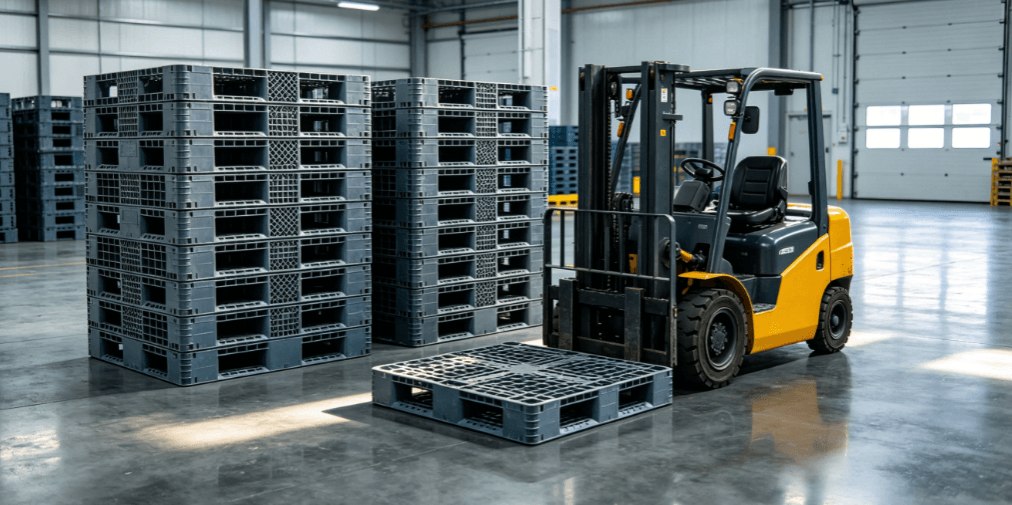
Heavy duty plastic pallets are often treated as a simple line item in procurement, but the price behind each unit is rarely simple. In industrial logistics, you are not only paying for a plastic tray. You are paying for material grade, load structure, production method, and how long the pallet can survive in daily handling.
Companies like Qingdao CNplast Co., Ltd. provide a full range of industrial plastic pallets built for export, storage, and heavy duty circulation. Their product system is widely used in logistics operations where pallet performance directly affects handling efficiency and long-term cost control.
Heavy Duty Plastic Pallets Price Range In Industrial Procurement Markets?
When you check global market quotes, heavy duty plastic pallets usually sit in a wide price band. A basic export type can be quite low, while rackable heavy load pallets can cost several times more. This gap often confuses buyers at first. According to industry analysis, the global plastic pallets market was valued at approximately USD 7.5 billion in 2023 and is projected to reach USD 12.8 billion by 2033, growing at a CAGR of 5.5%. This growth reflects increasing demand for durable solutions in logistics, where heavy-duty variants command premium pricing due to enhanced load capacities.
The reason is simple. Different industries do not use pallets in the same way. A warehouse that stores static goods does not need the same structure as a high rack system with constant forklift entry. CNplast, as an industrial manufacturer, separates pallet categories based on real working conditions rather than simple size differences.
Industrial Plastic Pallets As A Cost Positioning Tool In Supply Chains
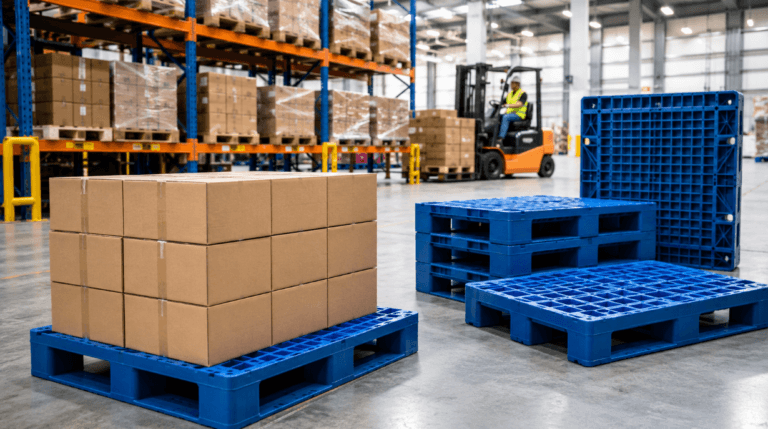
In daily procurement, pallet price is not only a purchase cost. It becomes part of long-term logistics cost planning. You may notice something small here. In real warehouse use, even a small change in pallet rigidity can shift handling efficiency. Forklift time, stacking height, and damage rate all follow.
CNplast’s products are often used in these scenarios where buyers compare initial cost against long cycle usage, especially in export-heavy supply chains.
Raw Material Cost As The Core Driver Of Heavy Duty Plastic Pallets Price
Material is usually the first thing affecting cost, even before design or labor. Most heavy duty plastic pallets rely on HDPE or PP. The difference is not just technical. It directly changes price per unit.
HDPE And PP Material Grades In Plastic Pallet Cost Structure
HDPE is commonly used in heavy duty plastic pallets because of its impact resistance and stability. Virgin material costs more, recycled material costs less. The price gap is visible even in small batch orders.
Some factories mix recycled material to lower cost. It can work for light duty use, but in heavy rack systems, deformation risk increases. That is where higher grade material becomes necessary.
CNplast applies different material control standards based on application requirements, especially for warehouse and export scenarios where load stability matters.
Reinforcement Additives And Density Control
Additives like anti-impact agents and higher density compounds increase cost quietly. You do not always see them in product photos, but you feel them when pallets survive repeated forklift drops.
Heavier density also means more raw material per unit. That alone changes cost structure more than many buyers expect.
Structural Design Complexity And Load Capacity Affecting Pallet Pricing
Load capacity is where pricing starts to separate clearly.
Static Load, Dynamic Load, And Racking Load Differences
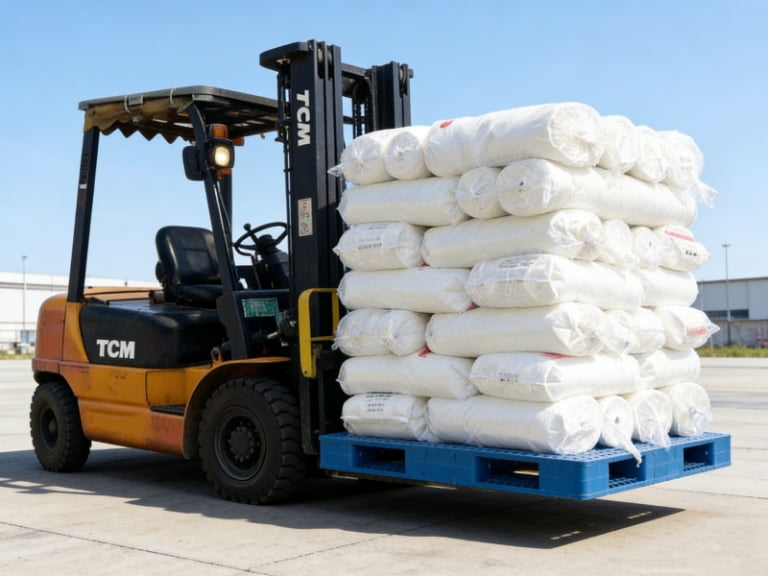
Static load is when pallets stay still. Dynamic load is when forklifts move them. Racking load is when pallets sit on steel beams in warehouses.
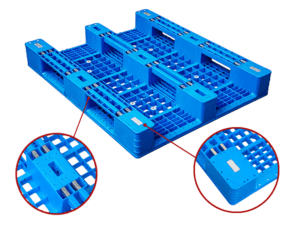
Racking load requires stronger internal support. Sometimes steel bars are inserted inside plastic structure. This changes both manufacturing steps and cost.
CNplast engineering capability covers different load designs with strict structural testing and production control, which supports stable performance in industrial environments.
Anti-Slip Surface And Steel Reinforcement Impact
Anti-slip surfaces look like a small detail, but mold design becomes more complex. Steel reinforcement adds weight, assembly time, and material handling steps.
Manufacturing Process And Production Scale Influence On Unit Price
Even with same design, price can change based on production method and factory scale. Injection molding is the most common method for heavy duty plastic pallets, but mold size and machine capacity matter a lot.
Injection Molding And Mold Investment Cost
Large pallet molds are expensive. That cost is spread across production volume. If order quantity is small, unit price feels high. If production runs are large, cost per pallet drops.
Heavy Duty Plastic Pallet Types And Their Price Differences
Not all pallets are built for the same job. Type selection directly changes price, sometimes more than material itself.
Nestable Plastic Pallets For Export Use
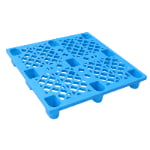
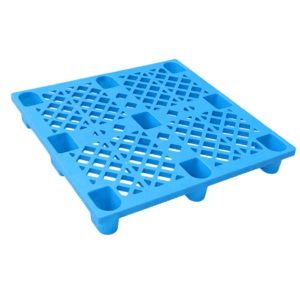
Nestable pallets are lighter and stack into each other when empty. This reduces shipping cost. Price is usually lower because structure is simpler.
Rackable Heavy Duty Plastic Pallets For Storage Systems
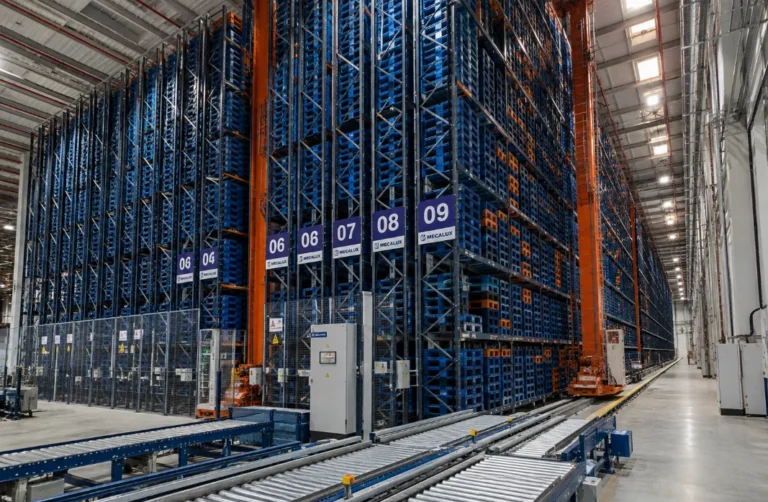
Rackable pallets are built for steel shelving systems. Internal reinforcement is stronger. Price is higher, sometimes noticeably higher.
This type is common in warehouse storage where load safety matters more than transport cost.
Double Deck Industrial Plastic Pallets
Double deck design uses more material on both top and bottom surfaces. It increases durability, but also increases cost.
Custom Heavy Duty Plastic Pallets Pricing From Manufacturer Perspective
Standard pallets have stable pricing. Custom pallets are different. Once specification changes, price calculation shifts.
Non Standard Size And Mold Development Cost
Custom dimensions require new molds. Mold cost is usually the biggest hidden factor in pallet pricing.
Small batch orders with custom size often feel expensive. This is normal in plastic molding industry.
CNplast custom service supports size adjustment and structural changes based on application needs.
Branding And Color Adjustment Cost
Color change is not just pigment. It affects production cleaning, batch separation, and sometimes raw material blending.
Logo marking also adds steps in molding or printing.
Supplier Selection And Heavy Duty Plastic Pallets Price Stability
Price is not only about production cost. Supplier structure matters too.
Factory Direct Supply And Trading Price Gap
Factory direct supply usually gives more stable pricing. Trading channels add extra layers of margin. This creates visible price gaps for the same product.
CNplast Industrial Supply Consistency
CNplast provides direct manufacturing supply for industrial pallets, which helps keep pricing closer to production reality. In real procurement work, stable supply often matters as much as unit price. Sudden price swings can affect logistics planning, especially in long-term contracts.
Conclusion
Heavy duty plastic pallets pricing is never a single fixed number. It changes with material choice, load requirement, structure design, and how the pallets will actually be used in daily logistics. For procurement teams, the real challenge is not just finding a lower price, but matching the pallet specification with real working conditions, so the cost stays stable over time instead of shifting through frequent replacement or unexpected failure.
If you have any questions about plastic pallets or need support in choosing the right solution, you are always welcome to reach out. The team at Qingdao CNplast Co., Ltd. is ready to assist with practical guidance based on your sourcing needs, and will respond with clear and helpful information as soon as possible.
FAQ
Q1: What Is The Main Factor Affecting Heavy Duty Plastic Pallets Price?
A: Material type is the main factor. Virgin HDPE costs more than recycled material, and it directly changes unit price for industrial pallets.
Q2: Why Do Rackable Plastic Pallets Cost More Than Export Pallets?
A: Rackable pallets need stronger internal structure and sometimes steel reinforcement. This increases production complexity and cost.
Q3: Does Custom Size Always Increase Plastic Pallet Price?
A: Yes. Custom size requires new mold development, which raises initial cost, especially for small order quantities.
Q4: How Does Load Capacity Affect Pallet Pricing?
A: Higher load capacity needs stronger structure design and more material. This increases both manufacturing cost and final price.
Q5: Why Do Prices Differ Between Suppliers For The Same Pallet Type?
A: Differences come from material grade, production scale, and supply chain structure. Factory direct suppliers usually offer more stable pricing.